研修後のフォローアップ完全ガイド|効果を最大化する6つの施策とチェックリスト The Complete Guide to Post-Training Follow-Up | 6 Initiatives and a Checklist to Maximize Training Effectiveness
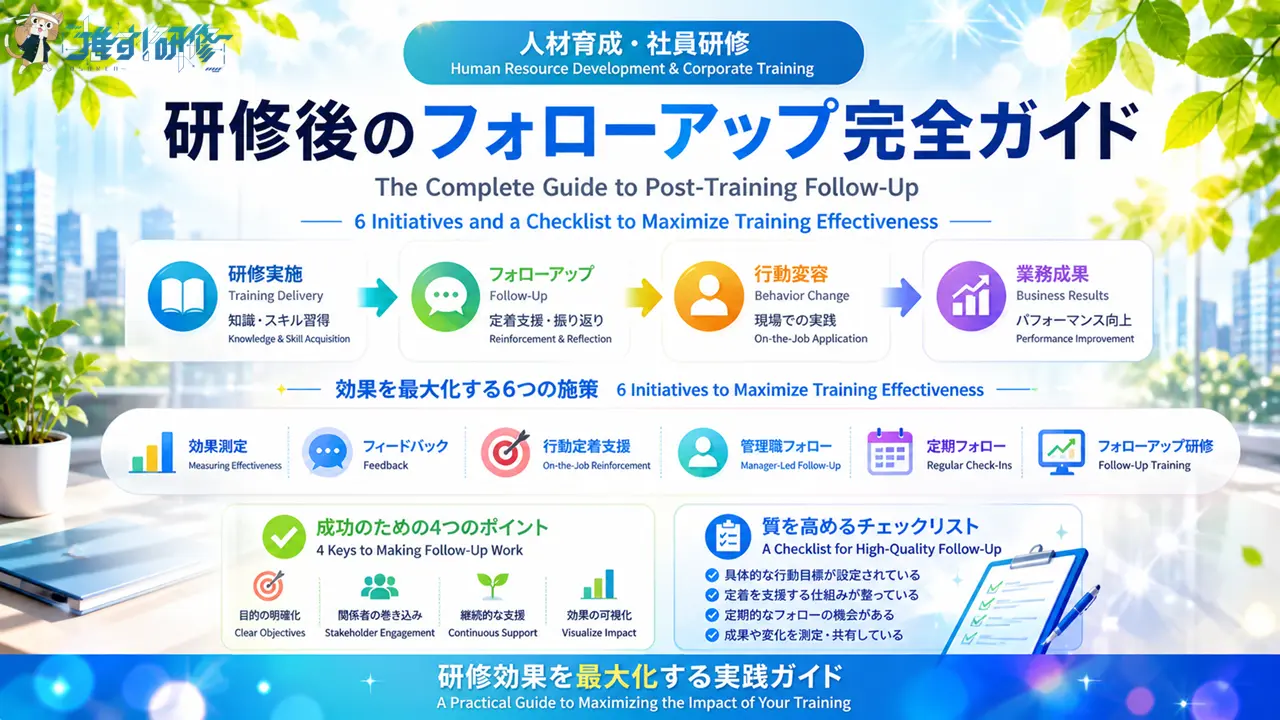
せっかく時間と費用をかけて実施した研修も、受講して終わりでは効果が半減してしまいます。学んだ内容を実務で活かし、定着させるためには「研修後のフォローアップ」が欠かせません。研修直後のフォローだけでなく、1か月後、3か月後といったタイミングで学びの定着度を確認したり、継続的な支援体制を設けることが、受講者の成長と業務成果につながります。
Even when significant time and resources are invested in training, its effectiveness is greatly reduced if it ends with attendance alone. “Post-training follow-up” is essential for ensuring that what was learned is applied in the workplace and truly retained. Checking in at key intervals — such as one month and three months after training — and establishing a continuous support structure are what drive participant growth and measurable business outcomes.
本記事では、研修効果を最大化するために実施すべきフォローアップ施策について、具体例とチェックリストを交えてご紹介します。
This article introduces the follow-up initiatives organizations should implement to maximize training effectiveness, complete with practical examples and a checklist.
目次
研修後のフォローアップが重要な理由 Why Post-Training Follow-Up Matters
研修を実施しても、その効果が持続しなければ意味がありません。まずは、なぜフォローアップが重要なのかを理解しておきましょう。
Training that fails to produce lasting results is training that falls short of its purpose. Let us start by understanding exactly why follow-up is so critical.
研修効果は時間とともに薄れていく Training Gains Fade Over Time
人間の記憶には限界があります。ドイツの心理学者エビングハウスが提唱した「忘却曲線」によると、人は学んだ内容の約70%を24時間以内に忘れてしまうとされています。研修で得た知識やスキルも例外ではありません。何もフォローをしなければ、せっかくの学びは時間とともに薄れていきます。
Human memory has its limits. According to the “forgetting curve” proposed by German psychologist Hermann Ebbinghaus, people forget approximately 70% of what they have learned within just 24 hours. The knowledge and skills gained through training are no exception. Without intentional follow-up, even the most valuable learning will fade with time.
研修直後は意欲が高まっていても、日常業務に戻ると研修で学んだことを実践する機会が減り、徐々に忘れてしまうのが現実です。この自然な忘却に対抗するためには、意図的に学びを思い出す機会を設けることが必要です。
While motivation tends to run high immediately after training, the reality is that once participants return to their daily workload, opportunities to apply what they learned become less frequent, and the knowledge gradually slips away. To counter this natural forgetting process, it is necessary to create deliberate opportunities for participants to revisit and recall what they have learned.
フォローアップが行動変容と成果につながる Follow-Up Drives Behavior Change and Results
研修の本来の目的は、受講者の行動を変え、業務成果につなげることです。知識を得ただけでは不十分であり、その知識を実際の行動に移し、習慣化することが求められます。
The true purpose of training is to change participant behavior and translate that change into tangible business outcomes. Simply acquiring knowledge is not enough. That knowledge must be put into action and, ultimately, built into habit.
フォローアップを適切に行うことで、受講者は学んだ内容を繰り返し思い出し、実践する機会を得られます。また、上司や同僚からのフィードバックを受けることで、自分の行動を客観的に振り返り、改善につなげることができます。フォローアップは、研修を「一過性のイベント」から「継続的な成長プロセス」へと変える重要な役割を担っています。
When follow-up is carried out effectively, participants are given repeated opportunities to recall and apply what they have learned. Feedback from supervisors and colleagues also enables them to reflect on their behavior objectively and make meaningful improvements. Follow-up plays a critical role in transforming training from a “one-time event” into a “continuous growth process.”
研修後に実施すべき6つのフォローアップ施策 6 Follow-Up Initiatives to Implement After Training
研修を一過性のものにせず、現場での行動や成果につなげるには、具体的なフォローアップの取り組みが欠かせません。ここでは、研修後に実施すべき主なフォローアップ施策を6つの視点からご紹介します。
To prevent training from being a one-off event and to drive real on-the-job behavior and results, concrete follow-up efforts are indispensable. This section introduces six key follow-up initiatives that organizations should put into practice after training.
研修の効果測定|満足度だけでなく行動変容まで確認する Measuring Training Effectiveness | Go Beyond Satisfaction Scores
まず重要なのは、研修がどの程度効果を発揮したかを明らかにすることです。多くの企業では研修直後のアンケートで満足度を測定していますが、それだけでは不十分です。
The first priority is to clarify the extent to which training has been effective. Many organizations measure satisfaction through an end-of-training survey, but that alone is insufficient.
効果測定では、満足度に加えて、理解度、行動変容、業務成果への影響まで確認する必要があります。アンケートやテスト、業績データなど、複数の手段を活用して定量・定性の両面から効果を測定しましょう。研修の効果を可視化することで、次回の研修設計にも活かすことができます。
Effective measurement must go beyond satisfaction to assess comprehension, behavior change, and impact on business performance. Use multiple tools — surveys, tests, and performance data — to evaluate results from both a quantitative and qualitative perspective. Making training outcomes visible also provides valuable input for designing future programs.
研修のフィードバック|学びを言語化し内省を促す Providing Feedback | Articulate Learning and Encourage Reflection
受講者に対して、研修内容の振り返りやフィードバックを実施することで、学びを再確認し、理解を深めることができます。特に重要なのは、受講者自身が「何を学び、どのように行動を変えるか」を言語化する機会を設けることです。
Having participants review training content and receive feedback helps reinforce their learning and deepen their understanding. Of particular importance is creating opportunities for participants to articulate what they learned and how they will change their behavior.
レポートの作成や振り返りシートの記入、グループでのディスカッションなど、学びを言葉にする場を設けることで内省が促進されます。言語化することで、曖昧だった理解が明確になり、実践への意識が高まります。
Activities such as writing a reflection report, completing a debrief worksheet, or participating in a group discussion give participants a structured space to put their learning into words. Articulating their takeaways clarifies previously vague understanding and sharpens the motivation to put learning into practice.
現場での行動定着支援|実践を後押しする仕組みをつくる Supporting On-the-Job Application | Build Systems That Encourage Action
学んだことを実務で活用できるように支援することが、研修の最終目的です。研修で得た知識を現場で実践するには、具体的な行動に落とし込むためのサポートが必要になります。
Supporting participants in applying what they have learned to their day-to-day work is the ultimate goal of any training program. Putting training knowledge into on-the-job practice requires concrete, action-oriented support.
業務に即したチェックリストの提供、具体的な実践課題の設定、実践機会の意図的な設計など、現場での実行を後押しする仕組みを用意しましょう。小さな成功体験を積み重ねることで、行動の定着が加速します。
Provide job-specific checklists, assign concrete practice tasks, and intentionally design opportunities for participants to take action in the workplace. Small wins help new behaviors take root more quickly.
現場の管理職によるフォロー|上司の関与が定着を加速させる Follow-Up by On-Site Managers | Supervisor Involvement Accelerates Retention
受講者の直属の上司によるフォローも欠かせません。管理職が部下に対して研修内容について確認したり、実践を促したりすることで、学びの定着と実行力が大きく高まります。
Follow-up from participants’ direct supervisors is equally indispensable. When managers check in with their team members about training content and encourage them to put it into practice, both knowledge retention and execution improve significantly.
上司が関心を持っていることが伝わると、受講者のモチベーションも向上します。事前に研修内容を管理職と共有し、フォローのポイントを伝えておくことが効果的です。定例の1on1ミーティングなどを活用して、研修内容の実践状況を確認する機会を設けましょう。
When participants sense that their supervisor is genuinely interested in their development, their motivation gets a meaningful boost. Share training content with managers in advance and brief them on the key follow-up points. Use existing touchpoints such as regular one-on-one meetings to check in on how participants are applying what they have learned.
定期的なフォローの実施|1か月後、3か月後の確認がカギ Conducting Regular Check-Ins | The One-Month and Three-Month Reviews Are Critical
研修直後のフォローに加えて、1か月後、3か月後などのタイミングで定期的な確認を行うことが重要です。時間が経過した後のフォローによって、学びの継続と改善の機会が生まれます。
In addition to immediate post-training follow-up, it is essential to conduct regular check-ins at intervals such as one month and three months after training. These time-delayed touchpoints create opportunities for sustained learning and ongoing improvement.
簡易アンケートや個別面談などを通じて、受講者の変化や課題を確認しましょう。定期的なフォローを行うことで、受講者は「研修で学んだことを実践し続けなければ」という意識を維持できます。また、つまずいている点があれば早期に発見し、サポートすることができます。
Use brief surveys or one-on-one meetings to check on participant progress and surface any challenges. Regular follow-up helps participants maintain the mindset of “I need to keep putting what I learned into practice.” It also allows organizations to identify sticking points early and step in with timely support.
フォローアップ研修の実施|知識の補強と実践の振り返り Running Follow-Up Training Sessions | Reinforce Knowledge and Reflect on Practice
最終的には、フォローアップ研修を設けることで、知識の補強や実践の深掘りが可能になります。初回研修だけでは理解しきれなかった内容の再確認や、実務での成功事例・失敗事例を共有する場としても活用できます。
Ultimately, scheduling dedicated follow-up training sessions makes it possible to reinforce knowledge and dive deeper into practical application. These sessions can serve as a space to revisit content that was not fully grasped the first time around, and to share real-world successes and setbacks from the field.
フォローアップ研修では、受講者同士が実践経験を共有し、互いに学び合う機会を設けることが効果的です。「うまくいったこと」「難しかったこと」を率直に話し合うことで、新たな気づきが生まれ、さらなる成長につながります。
Follow-up training sessions are most effective when they include structured peer-sharing, where participants exchange their hands-on experiences and learn from one another. Openly discussing “what worked well” and “what was difficult” sparks fresh insights and fuels continued growth.
フォローアップを成功させる4つのポイント 4 Keys to Making Follow-Up Work
フォローアップは、研修効果を持続、最大化するための重要なプロセスです。ただ実施するだけでは十分な効果は得られません。ここでは、フォローアップを効果的に機能させるために押さえておきたい4つのポイントを解説します。
Follow-up is a critical process for sustaining and maximizing the impact of training. Simply going through the motions is not enough to achieve meaningful results. This section outlines four key principles for making follow-up genuinely effective.
研修前からフォローアップを計画に組み込む Build Follow-Up into the Plan Before Training Begins
フォローアップは研修が終わってから慌てて考えるものではありません。研修を企画する段階から「どのような行動変化を目指すのか」「その確認方法は何か」などを想定し、フォローアップの設計に組み込むことが重要です。
Follow-up should never be an afterthought scrambled together once training is over. It is important to anticipate questions such as “What behavior change are we aiming for?” and “How will we verify it?” from the planning stage and embed the follow-up design into the training program from the start.
計画段階からフォローアップを意識することで、研修内容とフォローアップの連動性が高まり、現場でも実施しやすくなります。研修のゴールを明確にし、そのゴールに向けたフォローアップの道筋を描いておきましょう。
When follow-up is considered from the planning stage, the alignment between training content and follow-up activities improves, making implementation on the ground much smoother. Define the training goals clearly, and map out a follow-up pathway that leads toward those goals.
現場の管理職と研修内容と目標を共有する Align On-Site Managers on Training Content and Goals
現場の上司や管理職の協力なくして、フォローアップの実効性は高まりません。研修内容や目標を事前に共有し、管理職自身もフォローの担い手となってもらうことが不可欠です。
Follow-up cannot reach its full potential without the active involvement of on-site supervisors and managers. Sharing training content and goals with them in advance, and positioning managers as active participants in the follow-up process, is absolutely essential.
定例会議や1on1の場で部下の変化に目を配ってもらうといった小さなアクションが、学びの定着を大きく後押しします。管理職向けに「フォローのポイント」をまとめた資料を提供するのも効果的です。
Small, consistent actions — such as keeping an eye on a team member’s progress during regular meetings or one-on-ones — can make a significant difference in whether learning takes root. Providing managers with a concise reference guide outlining “key follow-up points” is also a highly effective approach.
受講者からのフィードバックを定期的に収集する Collect Feedback from Participants on a Regular Basis
研修後、そしてフォローアップの過程でも、受講者の声を定期的に拾い上げることが大切です。「どこが実践しづらかったのか」「何が役立ったか」といった現場のリアルな声を集めることで、改善点が明確になります。
It is important to regularly capture participant input — both after training and throughout the follow-up process. Gathering candid, on-the-ground feedback such as “What was difficult to put into practice?” and “What proved most useful?” makes areas for improvement clearly visible.
受講者の声を集めることは、より現実的な支援策の検討につながるだけでなく、受講者自身が「自分の意見が反映される」と感じることでエンゲージメント向上にも寄与します。
Collecting participant feedback not only helps organizations develop more realistic and relevant support strategies — it also boosts engagement by helping participants feel that their input genuinely matters and is acted upon.
研修の成果を可視化して経営層にも伝える Visualize Results and Communicate Them to Leadership
成果は目に見える形で示さなければ、本人にも周囲にも実感されづらくなります。スキルの習得度合いや業務改善の進捗などを、レポートや数値で定期的に示すことで、フォローアップの目的を明確化できます。
Unless results are presented in a visible, tangible form, they are difficult for participants themselves — let alone those around them — to fully recognize. Regularly sharing skill acquisition levels and progress on workplace improvements through reports and data helps clarify the purpose of follow-up.
また、成果を可視化することで、経営層や人事部門に対しても研修の価値を伝えやすくなります。研修への投資対効果を示すことで、継続的な人材育成への理解と支援を得ることができます。
Furthermore, making outcomes visible makes it far easier to communicate the value of training to senior leadership and HR. Demonstrating a clear return on training investment builds understanding and buy-in for sustained investment in people development.
フォローアップでよくある失敗パターンと回避策 Common Follow-Up Pitfalls and How to Avoid Them
フォローアップは、研修の学びを現場で定着させるうえで不可欠なプロセスです。しかし、実際の運用ではさまざまな落とし穴があります。ここでは、よくある失敗パターンを紹介し、回避するためのポイントも併せて解説します。
Follow-up is an indispensable process for ensuring that learning from training takes root in the workplace. In practice, however, there are a number of common pitfalls that can undermine its effectiveness. This section identifies the most frequent failure patterns and explains how to steer clear of them.
目的やゴールが曖昧なまま実施してしまう Implementing Without Clear Goals or Purpose
「とりあえず実施する」だけでは、フォローアップは機能しません。目的やゴールが明確でないと、何を評価すべきか分からず、行動変化や成長の可視化も困難になります。
Simply “checking the follow-up box” is not enough for it to work. Without clearly defined goals and purpose, there is no clear standard for what to evaluate, and tracking behavior change or growth becomes nearly impossible.
回避策としては、事前に「どんな変化を期待しているのか」「どうやって成果を測るのか」を具体化することが重要です。フォローアップの目的を関係者全員で共有し、共通認識を持っておきましょう。
The solution is to define in advance exactly what changes are expected and how results will be measured. Share the purpose of follow-up with all stakeholders so that everyone is aligned from the outset.
形骸化して「やるだけ」になっている Going Through the Motions Without Real Substance
毎回同じ資料、同じ質問、同じ進行で行われるフォローアップは、受講者にとって意味のない作業となってしまいます。これでは継続的な学びや気づきにはつながりません。
When follow-up sessions use the same materials, the same questions, and the same format every time, they quickly become a meaningless exercise for participants. This kind of rote repetition does not lead to ongoing learning or fresh insights.
回避策としては、定期的な見直しや、受講者の声を反映させた柔軟な設計が求められます。フォローアップの内容自体をアップデートし続けることで、受講者にとって価値ある機会を提供し続けることができます。
The solution is to conduct regular reviews and build in the flexibility to incorporate participant feedback. Continuously updating the content of follow-up keeps it genuinely valuable and relevant for participants.
人事部門だけで完結し現場との連携が不足している Follow-Up Staying in HR Without Connecting to the Field
研修を実務に落とし込むには、現場との密な連携が不可欠です。フォローアップが人事部門だけで完結している場合、現場での実践に結びつかず、「研修で学んだことが活かせない」という結果になりがちです。
Translating training into on-the-job practice requires close collaboration with the field. When follow-up is handled entirely within the HR department, it often fails to connect with real workplace application, leaving participants feeling that “what I learned in training just doesn’t apply here.”
回避策としては、管理職やOJT担当者とも連携し、具体的な行動の支援体制を整えることが重要です。人事部門は全体の設計と進捗管理を担い、現場は日常的なサポートを担うという役割分担を明確にしましょう。
The solution is to partner with managers and OJT coordinators to build a concrete, on-the-ground support structure. Clarify the division of roles: HR owns the overall design and progress tracking, while the field owns day-to-day support.
フォローが不足または過剰になっている Follow-Up That Is Too Sparse or Too Heavy
フォローアップが不足していると、受講者は「研修で終わり」と感じ、行動の変化につながりません。一方で、過剰に干渉すると、負担に感じてしまい逆効果になるケースもあります。
When follow-up is too infrequent, participants are left feeling that training ended the moment they walked out, and behavior change never materializes. On the other hand, overly frequent check-ins can feel intrusive and become counterproductive.
回避策としては、適度なタイミングで、必要な支援を提供する「ちょうどよいフォロー」を心がけることです。研修直後、1か月後、3か月後といった節目でのフォローを基本とし、受講者の状況に応じて柔軟に調整しましょう。
The solution is to aim for “just-right follow-up” — providing the right level of support at the right time. Use the standard intervals of immediately after training, one month later, and three months later as the baseline, and adjust flexibly based on each participant’s situation.
質の高いフォローアップのためのチェックリスト A Checklist for High-Quality Follow-Up
研修の効果を最大限に活かすには、フォローアップの質が重要です。単なる「確認作業」で終わらせず、受講者の行動変容や業務成果につながるようにするためには、いくつかの視点でフォローアップ内容をチェックしておく必要があります。以下のチェックリストを活用し、質の高いフォローアップ体制を整えましょう。
The quality of follow-up is what ultimately determines how much training impact is realized. To ensure that follow-up goes beyond a mere “check-in” and genuinely drives behavior change and business results, it is important to evaluate your follow-up approach from several angles. Use the checklist below to build a high-quality follow-up system.
目的が明確になっているか Is the Purpose Clearly Defined?
「何のために行うのか」「何を達成したいのか」が明確になっているかを確認しましょう。目的が不明確なままだと、進行や評価も曖昧になってしまいます。フォローアップを実施する前に、関係者全員で目的を共有することが大切です。
Verify that “why we are doing this” and “what we want to achieve” are clearly articulated. Without a clear purpose, both the process and the evaluation will remain vague. Before launching follow-up, make sure all stakeholders are aligned on the goals.
研修テーマと連動しているか Is It Aligned with the Training Theme?
フォローアップで確認すべき内容が、研修で扱ったテーマや学習目標と結びついているかを確認します。たとえば、リーダーシップ研修であれば、リーダーとしての行動実践ができているかなどが対象になります。研修内容と無関係な確認事項が含まれていないかも併せてチェックしましょう。
Confirm that the areas being assessed in follow-up are directly connected to the training themes and learning objectives. For example, in a leadership training program, the focus should be on whether participants are demonstrating leadership behaviors in practice. Also check that no irrelevant items have crept into the follow-up agenda.
現場の関与が設計に含まれているか Does the Design Include On-Site Involvement?
受講者本人だけでなく、現場の上司やOJT担当者が適切に関与できる仕組みがあるかどうかも重要です。現場との連携が強いほど、フォローアップの実効性は高まります。管理職がどのタイミングで、どのような形で関与するかを明確にしておきましょう。
It is equally important to assess whether the system allows not just participants, but also on-site supervisors and OJT coordinators, to be appropriately involved. The stronger the field-level integration, the more effective follow-up becomes. Define clearly when and how managers will be engaged in the process.
可視化、記録の仕組みがあるか Is There a System for Documentation and Visibility?
フォローアップの内容を記録し、定期的に振り返りができる仕組みを整えていますか。記録は受講者本人の成長実感につながるだけでなく、人事側の評価や支援計画にも活用できます。シートやツールを活用して、フォローアップの履歴を蓄積していきましょう。
Is there a system in place to document follow-up activities and enable regular reflection? Records serve not only to help participants recognize their own growth, but also to support HR in evaluation and planning. Leverage worksheets or dedicated tools to build a running history of follow-up interactions.
適切な頻度で実施されているか Is It Being Conducted at the Right Frequency?
フォローの頻度が高すぎると過干渉になり、低すぎると効果が薄れてしまいます。目安としては、研修直後、1か月後、3か月後など段階的に設定するのが効果的です。受講者の業務状況や研修内容に応じて、適切な頻度を検討しましょう。
Too frequent follow-up risks feeling intrusive; too infrequent follow-up loses its impact. A good benchmark is a stepped schedule — immediately after training, at one month, and at three months. Tailor the frequency to each participant’s workload and the nature of the training content.
まとめ|フォローアップで研修効果を最大化しよう Summary | Maximize Your Training Impact Through Follow-Up
本記事では、研修後のフォローアップについて、その重要性から具体的な施策、成功のポイント、失敗パターン、チェックリストまで解説しました。
This article has covered post-training follow-up from every angle — its importance, concrete initiatives, keys to success, common failure patterns, and a practical checklist.
研修効果を最大化するためには、研修後のフォローアップが不可欠です。人は学んだ内容の多くを時間とともに忘れてしまいます。意図的に学びを思い出し、実践する機会を設けることで、知識を行動に変え、成果につなげることができます。
Post-training follow-up is indispensable for maximizing training effectiveness. People forget much of what they have learned as time passes. By deliberately creating opportunities to recall and apply that learning, organizations can turn knowledge into action and action into results.
フォローアップを成功させるためには、研修前から計画に組み込むこと、現場の管理職と連携すること、受講者の声を収集すること、成果を可視化することが重要です。また、目的の曖昧さや形骸化、現場との連携不足といった失敗パターンを避け、質の高いフォローアップ体制を整えましょう。
To make follow-up succeed, organizations must build it into the plan before training begins, partner closely with on-site managers, actively gather participant feedback, and make outcomes visible. Avoid the common failure patterns of vague goals, hollow execution, and insufficient field collaboration, and put in place a high-quality follow-up system that delivers real results.
研修は「実施して終わり」ではなく、フォローアップによって初めて真の効果を発揮します。本記事のチェックリストを活用しながら、受講者の成長と業務成果につながるフォローアップ体制を構築していただければ幸いです。
Training does not end when the session wraps up — its true impact is only realized through follow-up. We hope the checklist in this article helps you build a follow-up system that drives genuine participant growth and measurable business outcomes.
- 第4類危険物の分類と引火点をわかりやすく解説 Class B, Group 4 Hazardous Materials Engineer | Classifications and Flash Points: A Complete Guide
- QC3|基本統計量の計算方法をわかりやすく解説 QC3 | Basic Statistical Measures Explained
この記事を書いた人

関連記事
-
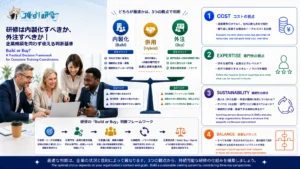
 研修は内製化すべきか、外注すべきか|企業規模を問わず使える判断基準 Build or Buy? A Practical Decision Framework for Corporate Training Coordinators
 -
生成AI×OJT|社員の「使い方」を現場で育てる育成設計の考え方 Generative AI and OJT: How to Build AI Competency Through On-the-Job Learning
-
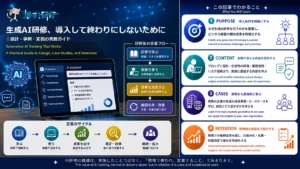
生成AI研修、導入して終わりにしないために|設計・事例・定着の実務ガイド Generative AI Training That Sticks: A Practical Guide to Design, Case Studies, and Retention
-
マネジメント研修の講師に学位は必要か|研修担当者が本当に問うべき選定基準 Management Training Facilitators: The Selection Criteria That Matter More Than Degrees
-
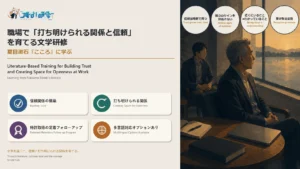
夏目漱石『こころ』に学ぶ——職場で「打ち明けられる関係と信頼」を育てる文学研修 Learning from Natsume Sōseki’s Kokoro: Literature-Based Training for Building Trust and Creating Space for Openness at Work
-
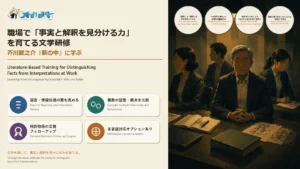
芥川龍之介『藪の中』に学ぶ——職場で「事実と解釈を見分ける力」を育てる文学研修 Learning from Akutagawa Ryūnosuke’s Yabu no Naka: Literature-Based Training for Distinguishing Facts from Interpretations at Work
-
森鷗外『最後の一句』に学ぶ——職場で「言うべきことを言える人」を育てる文学研修 Learning from Mori Ōgai’s Saigo no Ikku: A Literary Approach to Developing People Who Speak Up at Work
-
新入社員フォローアップ研修とは? What Is New Employee Follow-Up Training? Purpose, Themes, and Design for HR Professionals