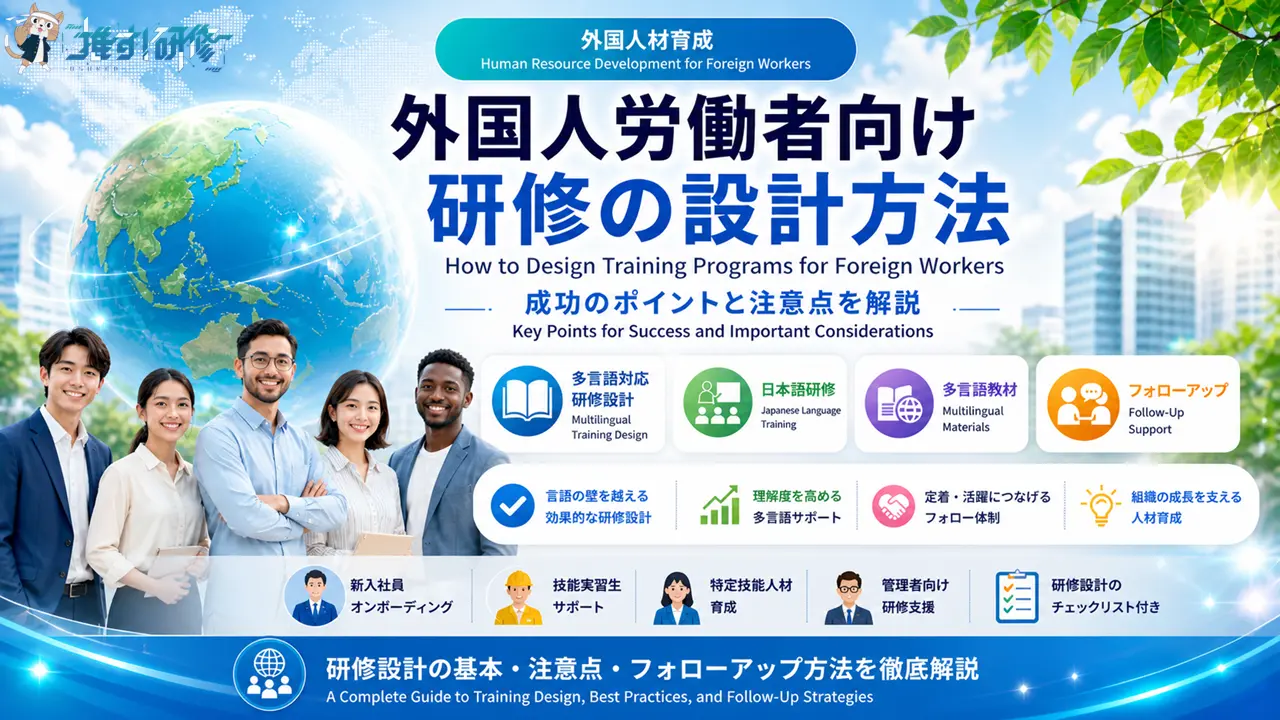
外国人労働者向け研修の設計方法|成功のポイントと注意点を解説 How to Design Training Programs for Foreign Workers | Key Success Factors and Considerations
日本で働く外国人労働者の数は年々増加しています。厚生労働省の発表によると、2024年10月末時点で外国人労働者数は230万人を超え、過去最高を更新しました。製造業、介護、建設、サービス業など、さまざまな分野で外国人材が活躍する時代となっています。出典 厚生労働省「外国人雇用状況」の届出状況まとめ(令和6年10月末時点)
The number of foreign workers in Japan continues to grow year by year. According to the Ministry of Health, Labour and Welfare, the number of foreign workers exceeded 2.3 million as of the end of October 2024, reaching a record high. Foreign workers are now active across a wide range of industries, including manufacturing, nursing care, construction, and the service sector. Source: Ministry of Health, Labour and Welfare, Summary of Notifications on the Employment Status of Foreign Workers (as of the end of October 2024)
しかし、外国人労働者を受け入れる企業の多くが「研修をどのように設計すればよいかわからない」「日本人社員と同じ研修では効果が出ない」という課題を抱えています。言語の壁、文化の違い、学習スタイルの差など、日本人向けの研修をそのまま適用するだけでは十分な効果が得られないケースが少なくありません。
However, many companies that hire foreign workers face challenges such as “not knowing how to design training programs” or “finding that the same training used for Japanese employees is not effective.” Simply applying training designed for Japanese workers often fails to deliver sufficient results, given barriers such as language differences, cultural gaps, and varying learning styles.
本記事では、外国人労働者向け研修を効果的に設計するためのポイントを解説します。研修の種類や設計時の注意点、成功のコツまで、実務で役立つ情報をお伝えしますので、ぜひ参考にしてください。
This article explains the key points for designing effective training programs for foreign workers. We will cover the types of training available, important considerations when designing programs, and practical tips for success — all information you can put to use in real-world settings.
目次
外国人労働者向け研修が必要な理由 Why Training Programs for Foreign Workers Are Necessary
外国人労働者を雇用する企業が増える中、なぜ専用の研修が必要なのでしょうか。日本人社員と同じ研修では不十分な理由と、研修を実施することで得られるメリットを整理しておきましょう。
As more companies hire foreign workers, why is dedicated training necessary? Let us consider why training designed for Japanese employees is insufficient, and what benefits can be gained by implementing appropriate training programs.
日本語能力の差が学習効果に直結する Differences in Japanese Proficiency Directly Affect Learning Outcomes
外国人労働者の日本語能力は、個人によって大きく異なります。日常会話は問題なくできても、専門用語や業務上の指示を正確に理解することが難しいケースは珍しくありません。日本語能力試験(JLPT)でN2やN3を取得していても、業界特有の用語や社内で使われる略語には戸惑うことが多いものです。
Japanese proficiency varies significantly among foreign workers. It is not uncommon for individuals who can manage everyday conversation to struggle with accurately understanding technical terms or workplace instructions. Even those who have passed the JLPT at N2 or N3 level often find industry-specific terminology and internal abbreviations confusing.
日本語だけで行われる研修では、内容の理解度に大きな差が生じます。講師の説明を聞き取れなかったり、テキストを読むのに時間がかかったりすることで、本来学ぶべき内容に集中できなくなってしまいます。外国人労働者の日本語レベルに合わせた研修設計が、学習効果を左右する重要な要素となるのです。
When training is conducted entirely in Japanese, significant gaps in comprehension arise. Participants who cannot follow the instructor’s explanation or who need extra time to read materials end up unable to focus on the core content they are meant to learn. Designing training programs tailored to the Japanese proficiency level of foreign workers is therefore a critical factor in determining learning outcomes.
文化や価値観の違いを理解する必要がある Understanding Cultural and Value Differences Is Essential
日本の職場には、外国人にとって理解しにくい暗黙のルールや慣習が存在します。「報連相」の重要性、時間厳守の意識、上下関係の考え方など、日本人にとっては当たり前のことでも、異なる文化圏で育った人には説明が必要です。
Japanese workplaces have unspoken rules and customs that can be difficult for foreign workers to grasp. Concepts such as the importance of reporting, contacting, and consulting (報連相), strict punctuality, and hierarchical relationships may be second nature to Japanese employees, but require explanation for those raised in different cultural contexts.
こうした文化的な背景を無視して業務スキルだけを教えても、職場でのコミュニケーションに支障が生じることがあります。外国人労働者向けの研修では、業務内容だけでなく、日本の職場文化についても丁寧に伝えることが求められます。相互理解を深めることで、職場全体のチームワーク向上にもつながるでしょう。
Teaching job skills alone while ignoring these cultural backgrounds can lead to communication difficulties in the workplace. Training programs for foreign workers must therefore cover not only job-related content, but also Japanese workplace culture, conveying it in a thoughtful and accessible way. Deepening mutual understanding will also contribute to improved teamwork across the entire workplace.
法令で義務付けられている研修もある Some Training Is Required by Law
技能実習生や特定技能外国人を受け入れる場合、法令で一定の研修が義務付けられています。入国前講習や入国後講習では、日本語教育や生活に関する知識、技能実習に関する知識などを学ぶことが求められます。
When accepting technical intern trainees or specified skilled workers, certain training is required by law. Pre-entry and post-entry training programs must cover Japanese language education, knowledge related to daily life in Japan, and knowledge pertaining to technical internship activities.
また、業種によっては安全衛生教育や資格取得が必須となる場合もあります。危険物を取り扱う現場では危険物取扱者の資格が、製造業では品質管理の知識が求められることも少なくありません。こうした法的要件を満たすためにも、計画的な研修の実施が欠かせないのです。
Furthermore, depending on the industry, occupational health and safety training or specific qualifications may be mandatory. In workplaces handling hazardous materials, a Hazardous Materials Engineer license is often required, while manufacturing settings frequently demand knowledge of quality control. Implementing training in a planned and systematic manner is essential to meeting these legal requirements.
外国人労働者向け研修の主な種類 Main Types of Training Programs for Foreign Workers
外国人労働者向けの研修には、さまざまな種類があります。企業のニーズや外国人材の状況に応じて、適切な研修を選択することが重要です。ここでは、代表的な研修の種類を紹介します。以下の5つの研修について順番に見ていきましょう。
There are many different types of training programs for foreign workers. It is important to select the appropriate program based on the needs of the company and the situation of the foreign workers. Below, we introduce the main types of training. Let us look at the following five programs in order.
- 日本語研修
- ビジネスマナー研修
- 安全衛生研修
- 資格取得支援研修
- 異文化理解研修
- Japanese Language Training
- Business Etiquette Training
- Occupational Health and Safety Training
- Certification Support Training
- Cross-Cultural Understanding Training
日本語研修|業務に必要な日本語力を身につける Japanese Language Training | Building the Japanese Skills Needed for Work
日本語研修は、外国人労働者向け研修の中で最も基本となるものです。日常会話レベルの日本語から、業務で使う専門用語、敬語表現まで、必要なレベルに応じた教育を行います。
Japanese language training is the most fundamental component of training programs for foreign workers. It covers everything from everyday conversational Japanese to the technical terminology and polite expressions used in the workplace, tailored to the level required.
効果的な日本語研修のポイントは、実際の業務で使う言葉を中心に学ぶことです。一般的な日本語教育だけでなく、自社の現場で頻繁に使われる用語や指示を教材に取り入れることで、即戦力として活躍できる人材を育成できます。また、読み書きだけでなく、聞く力と話す力をバランスよく伸ばすことも大切なポイントとなります。
The key to effective Japanese language training is to focus on the vocabulary actually used in the workplace. By incorporating the terms and instructions frequently used on the shop floor into the training materials — rather than relying solely on general Japanese language education — companies can develop workers who are ready to contribute from day one. It is also important to develop listening and speaking skills in a balanced way, not just reading and writing.
ビジネスマナー研修|日本の職場ルールを学ぶ Business Etiquette Training | Learning Japanese Workplace Rules
ビジネスマナー研修では、日本の職場で求められる基本的な振る舞いを学びます。あいさつの仕方、名刺交換、電話応対、メールの書き方など、日本独自のビジネス慣習を理解することが目的です。
Business manner training covers the basic conduct expected in Japanese workplaces. The goal is to develop an understanding of Japan’s unique business customs, including how to greet others, exchange business cards, handle phone calls, and write professional emails.
特に重要なのは「報連相」の習慣です。報告、連絡、相談という考え方は、日本の職場において非常に重視されますが、海外ではあまり馴染みのない概念かもしれません。なぜ報連相が必要なのか、どのようなタイミングで行うべきなのかを、具体例を交えて説明することで理解が深まります。
Of particular importance is the practice of “Hō-Ren-Sō” (reporting, contacting, and consulting). This concept is highly valued in Japanese workplaces but may be unfamiliar in other cultural contexts. Understanding deepens when participants are given concrete examples explaining why Hō-Ren-Sō is necessary and when it should be practiced.
安全衛生研修|事故を防ぎ、安全に働くために Occupational Health and Safety Training | Preventing Accidents and Ensuring Safe Work
製造業や建設業など、危険を伴う作業がある職場では、安全衛生研修が欠かせません。労働安全衛生法では、事業者に対して労働者への安全衛生教育を義務付けています。外国人労働者に対しても、日本人と同様の教育を行う必要があります。
In workplaces with hazardous operations, such as manufacturing and construction, occupational health and safety training is indispensable. The Industrial Safety and Health Act requires employers to provide safety and health education to all workers. This obligation applies equally to foreign workers as it does to Japanese employees.
安全衛生研修で特に注意すべきは、確実に内容を理解してもらうことです。命に関わる内容であるため、言葉の壁によって理解が不十分になることは避けなければなりません。母国語での説明資料を用意したり、実技を交えた研修を行ったりすることで、理解度を高める工夫が求められます。
The most critical point in occupational health and safety training is ensuring that participants genuinely understand the content. Because this material can be a matter of life and death, incomplete understanding due to language barriers must be avoided at all costs. Measures to improve comprehension — such as providing explanatory materials in participants’ native languages and incorporating hands-on practice — are strongly recommended.
資格取得支援研修|業務に必要な資格を取得する Certification Support Training | Obtaining the Qualifications Required for the Job
業種によっては、業務を行うために特定の資格が必要となる場合があります。危険物取扱者、フォークリフト運転技能者、玉掛け技能者など、現場で求められる資格はさまざまです。外国人労働者がこれらの資格を取得できるよう支援する研修も重要な取り組みの一つとなります。
Depending on the industry, certain qualifications may be required to perform the job. The qualifications needed on site vary widely and include Hazardous Materials Engineer, forklift operator, and slinging technician, among others. Supporting foreign workers in obtaining these qualifications is also an important initiative.
資格試験は日本語で出題されることがほとんどです。試験に合格するためには、業務知識だけでなく、試験問題を読み解く日本語力も必要となります。専門用語の解説や問題演習など、試験対策に特化した研修を提供することで、合格率を高めることができるでしょう。
Qualification exams are conducted almost entirely in Japanese. Passing the exam requires not only job-related knowledge, but also the Japanese reading ability needed to understand the questions. Providing training specifically focused on exam preparation — including explanations of technical terminology and practice questions — can significantly improve pass rates.
異文化理解研修|相互理解を深める Cross-Cultural Understanding Training | Deepening Mutual Understanding
異文化理解研修は、外国人労働者だけでなく、日本人社員も対象とした研修です。互いの文化や価値観を理解し、円滑なコミュニケーションを図ることが目的となります。
Cross-cultural understanding training is a program aimed not only at foreign workers, but also at Japanese employees. Its purpose is to foster mutual understanding of each other’s cultures and values, and to facilitate smooth communication.
外国人労働者にとっては、日本の文化や習慣を学ぶ機会になります。一方、日本人社員にとっては、異なる文化的背景を持つ同僚と協働するための心構えを学ぶ場となります。双方が歩み寄ることで、多様性を活かした職場づくりが可能になるのです。
For foreign workers, it provides an opportunity to learn about Japanese culture and customs. For Japanese employees, it serves as a setting in which to develop the mindset needed for working alongside colleagues from different cultural backgrounds. When both sides make an effort to meet each other halfway, it becomes possible to build a workplace that harnesses the strengths of diversity.
外国人労働者向け研修を設計する際のポイント Key Points for Designing Training Programs for Foreign Workers
効果的な研修を実施するためには、企画段階での設計が重要です。外国人労働者の特性を踏まえた研修設計のポイントを押さえておきましょう。以下の5つのポイントについて解説します。
Careful design at the planning stage is essential for delivering effective training. Let us look at the key points for designing training programs that take into account the characteristics of foreign workers. The following five points are covered below.
- 受講者の日本語レベルを把握する
- 多言語対応の教材を用意する
- 視覚的な要素を活用する
- 実践的な内容を取り入れる
- フォローアップ体制を整える
- Assess participants’ Japanese proficiency level
- Prepare multilingual training materials
- Make effective use of visual elements
- Incorporate hands-on, practical content
- Establish a follow-up support system
受講者の日本語レベルを把握する Assess Participants’ Japanese Proficiency Level
研修を設計する前に、まず受講者の日本語レベルを正確に把握することが大切です。日本語能力試験の級だけでなく、実際の会話力や読解力を確認しておくと、適切な難易度の研修を設計できます。
Before designing a training program, it is essential to first accurately assess participants’ Japanese proficiency level. Checking not only their JLPT grade but also their actual conversational ability and reading comprehension will allow you to design a program at the appropriate level of difficulty.
日本語レベルが高い人と低い人が混在している場合は、クラス分けを検討することも一つの方法です。レベルに合わない研修は、理解できずに挫折してしまったり、逆に簡単すぎて退屈に感じたりする原因となります。受講者一人ひとりの状況を把握し、最適な学習環境を整えることが成功の鍵となります。
When participants have a wide range of Japanese proficiency levels, splitting them into groups by level is one effective approach. Training that does not match a participant’s level can cause frustration and disengagement — either because the content is too difficult to follow, or because it is too easy and feels tedious. Identifying the situation of each individual participant and creating an optimal learning environment is the key to success.
多言語対応の教材を用意する Prepare Multilingual Training Materials
日本語だけの教材では、内容を十分に理解できない可能性があります。特に安全衛生や法令に関する内容など、正確な理解が求められる研修では、母国語での補足資料を用意することが効果的です。
Materials available only in Japanese may not allow participants to fully understand the content. Providing supplementary materials in participants’ native languages is particularly effective for training that requires accurate comprehension, such as occupational health and safety and legal compliance topics.
すべての教材を多言語化するのは難しくても、重要なポイントを母国語で解説したり、専門用語の対訳リストを作成したりするだけでも理解度は大きく向上します。ベトナム語、インドネシア語、ネパール語、ミャンマー語など、受講者の母国語に対応した教材があれば、学習のハードルを大幅に下げることができるでしょう。
Even if it is not feasible to translate all materials into multiple languages, explaining key points in participants’ native languages or creating a bilingual glossary of technical terms can significantly improve comprehension. Having materials available in participants’ native languages — such as Vietnamese, Indonesian, Nepali, or Burmese — can dramatically lower the barrier to learning.
視覚的な要素を活用する Make Effective Use of Visual Elements
言葉だけで説明するよりも、図や写真、動画などの視覚的な要素を活用した方が理解しやすくなります。特に作業手順や機械の操作方法など、動きを伴う内容は、実際の映像を見せることで言葉の壁を超えた理解が可能になります。
Using visual elements such as diagrams, photographs, and videos makes content easier to understand than verbal explanation alone. For content that involves movement — such as work procedures or how to operate machinery — showing actual footage enables understanding that transcends language barriers.
イラストやピクトグラムを使った説明も効果的です。危険を示す記号や作業手順を図解したマニュアルがあれば、日本語が苦手な人でも直感的に内容を把握できます。研修教材を作成する際は、視覚的にわかりやすいかどうかを常に意識することが大切です。
Explanations using illustrations and pictograms are also effective. A manual with hazard symbols and step-by-step diagrams of work procedures allows even those with limited Japanese to grasp the content intuitively. When developing training materials, always keep in mind whether they are visually clear and easy to follow.
実践的な内容を取り入れる Incorporate Hands-On, Practical Content
座学だけの研修よりも、実際に手を動かしたり、ロールプレイを行ったりする実践的な研修の方が定着率は高くなります。特に外国人労働者の場合、日本語での説明を聞くだけでは理解が追いつかないことがあるため、体験を通じて学ぶ機会を設けることが効果的です。
Practical training that involves hands-on activities or role-play leads to higher retention than classroom-based instruction alone. Foreign workers in particular may struggle to keep up with verbal explanations in Japanese, making it especially effective to provide opportunities to learn through experience.
たとえば、安全衛生研修であれば実際の保護具を装着してみる、ビジネスマナー研修であれば名刺交換のロールプレイを行うなど、体験型の学習を取り入れましょう。実際に体を動かすことで記憶に残りやすくなり、現場での実践にもつながりやすくなります。
For example, incorporate experiential learning activities such as actually putting on protective equipment during occupational health and safety training, or practicing business card exchange during business manner training. Learning through physical activity makes content more memorable and easier to apply in real workplace settings.
フォローアップ体制を整える Establish a Follow-Up Support System
研修は実施して終わりではありません。学んだ内容を現場で実践し、定着させるためのフォローアップが重要です。研修後に理解度を確認するテストを行ったり、定期的な振り返りの機会を設けたりすることで、学習効果を高めることができます。
Training does not end when the session is over. Follow-up support is essential to ensure that participants apply what they have learned on the job and retain it over time. Conducting a comprehension test after training and providing regular opportunities for review can significantly enhance learning outcomes.
また、研修後に質問や相談ができる窓口を用意しておくことも大切です。研修中は理解したつもりでも、実際の業務で迷うことは少なくありません。気軽に質問できる環境があれば、不安を解消しながら着実にスキルを身につけていくことができるでしょう。
It is also important to set up a point of contact where participants can ask questions or seek advice after the training has ended. Even when participants feel they understood the content during training, it is not uncommon to encounter uncertainty when applying it in real work situations. Having an accessible environment for questions allows workers to resolve concerns and steadily build their skills with confidence.
外国人労働者向け研修でよくある課題と解決策 Common Challenges in Training Programs for Foreign Workers and How to Address Them
外国人労働者向けの研修を実施する中で、多くの企業が直面する課題があります。ここでは、よくある課題とその解決策を紹介します。事前に対策を講じておくことで、より効果的な研修を実施できるようになります。
Many companies encounter common challenges when implementing training programs for foreign workers. This section introduces those challenges and how to address them. Taking preventive measures in advance will enable you to deliver more effective training.
言葉の壁で内容が伝わらない Content Fails to Get Through Due to Language Barriers
最も多い課題が、言葉の壁によって研修内容が十分に伝わらないというものです。講師が一生懸命説明しても、受講者が理解できていなければ意味がありません。日本語のスピードが速すぎたり、難しい言い回しを使ったりすると、理解度は著しく低下します。
The most common challenge is that training content fails to be communicated adequately due to language barriers. No matter how hard the instructor tries to explain, it is meaningless if participants cannot understand. When Japanese is spoken too quickly or complex expressions are used, comprehension drops significantly.
この課題を解決するためには、まず講師が「やさしい日本語」を使うことを心がけることが大切です。ゆっくり話す、短い文で区切る、難しい言葉を言い換える、といった工夫だけでも理解度は向上します。さらに、母国語の字幕付き動画教材や多言語のテキストを活用すれば、言葉の壁を大幅に低くすることができるでしょう。
To address this challenge, the first step is for instructors to make a conscious effort to use “easy Japanese” (やさしい日本語). Simple measures such as speaking slowly, breaking sentences into shorter units, and rephrasing difficult words can already improve comprehension considerably. Making further use of video materials with native-language subtitles and multilingual texts will significantly lower the language barrier.
モチベーションの維持が難しい Sustaining Motivation Is Difficult
研修の必要性を感じられなかったり、内容が難しすぎて挫折感を味わったりすると、受講者のモチベーションは低下します。特に長期間にわたる研修や、業務と直接関係がないように見える研修では、やる気を維持することが難しくなります。
When participants do not see the relevance of the training, or when the content is so difficult that it leads to a sense of defeat, motivation declines. This is particularly true for long-term programs or training that does not appear to be directly connected to day-to-day work.
モチベーションを維持するためには、研修の目的と受講者にとってのメリットを明確に伝えることが重要です。この研修を受けることでどのようなスキルが身につくのか、キャリアにどう役立つのかを具体的に説明しましょう。また、小さな成功体験を積み重ねられるよう、段階的な目標設定を行うことも効果的な方法となります。
To sustain motivation, it is important to communicate clearly the purpose of the training and the benefits it offers to participants. Explain specifically what skills they will gain from the program and how those skills will benefit their career. Setting incremental goals so that participants can accumulate small successes along the way is also an effective approach.
研修の効果測定ができない Measuring Training Effectiveness Is Difficult
研修を実施しても、どの程度効果があったのかを測定できないという課題もよく聞かれます。効果がわからなければ、研修内容の改善にもつなげることができません。また、経営層に研修の価値を説明することも難しくなります。
Another commonly heard challenge is the inability to measure how effective the training has been. Without knowing whether the training is working, it is impossible to improve the program. It also becomes difficult to demonstrate the value of training to senior management.
効果測定を行うためには、研修前後でのスキルや知識の変化を数値化することが必要です。理解度テストの点数、業務上のミスの減少、資格試験の合格率など、測定可能な指標を設定しておきましょう。定量的なデータがあれば、研修の投資対効果を明確に示すことができます。
To measure effectiveness, it is necessary to quantify changes in skills and knowledge before and after the training. Set measurable indicators such as comprehension test scores, reduction in workplace errors, and qualification exam pass rates. Having quantitative data makes it possible to clearly demonstrate the return on investment of the training program.
現場の協力が得られない Gaining Cooperation from the Workplace Is Difficult
人事部門が研修を企画しても、現場の協力が得られないというケースも少なくありません。業務が忙しくて研修の時間が取れない、研修よりも実務で覚えた方が早いという意見が出ることもあります。
It is not uncommon for HR departments to plan training programs only to find that they cannot secure cooperation from the workplace. Comments such as “we are too busy to take time for training” or “it is faster to learn on the job than in a classroom” often arise.
現場の協力を得るためには、研修が現場にもたらすメリットを伝えることが大切です。研修によって外国人労働者の業務スキルが向上すれば、現場の負担軽減につながります。また、研修内容を現場の意見を取り入れて設計することで、実務に直結した実践的な研修を実現できます。現場を巻き込んだ研修設計を心がけましょう。
To gain cooperation from the workplace, it is important to communicate the benefits that training brings to the shop floor. When training improves foreign workers’ job skills, it directly reduces the burden on the workplace. Furthermore, incorporating input from the workplace into the training design makes it possible to create practical programs that are directly linked to real work. Aim to design training with the active involvement of the workplace.
外国人労働者向け研修を成功させるコツ Tips for Making Training Programs for Foreign Workers a Success
研修を成功に導くためには、いくつかのコツがあります。多くの企業が実践している成功のポイントを押さえておきましょう。これらを意識することで、研修の効果を最大化することができます。
There are several tips for leading training programs to success. Let us look at the key success factors practiced by many companies. Keeping these in mind will help you maximize the effectiveness of your training.
経営層の理解と支援を得る Gaining Understanding and Support from Senior Management
外国人労働者向けの研修を継続的に実施するためには、経営層の理解と支援が不可欠です。研修には時間もコストもかかります。その投資に見合う価値があることを、経営層に理解してもらう必要があります。
To sustain training programs for foreign workers on an ongoing basis, understanding and support from senior management is indispensable. Training requires both time and financial resources. It is necessary to help senior management understand that the investment delivers commensurate value.
経営層を説得するためには、研修の必要性と期待される効果を具体的に示すことが重要です。外国人労働者の離職率の低下、生産性の向上、安全事故の減少など、経営に直結するメリットを数字で示せると説得力が増します。研修を「コスト」ではなく「投資」として捉えてもらえるよう、丁寧な説明を心がけましょう。
To persuade senior management, it is important to present the necessity of training and its expected outcomes in concrete terms. The case becomes more compelling when you can present the business benefits in numbers — such as reduced turnover among foreign workers, improved productivity, and fewer workplace accidents. Make a careful effort to help management view training not as a “cost,” but as an “investment.”
外国人労働者の声を聴く Listening to the Voices of Foreign Workers
研修を設計する際は、実際に受講する外国人労働者の声を聴くことが大切です。どのような点で困っているのか、どのようなスキルを身につけたいのか、当事者の意見を反映することで、より実践的な研修を設計できます。
When designing training programs, it is important to listen to the voices of the foreign workers who will actually participate. By reflecting the perspectives of those involved — what challenges they face and what skills they want to develop — you can design a program that is far more practical and relevant.
また、研修実施後のフィードバックも重要な情報源となります。わかりにくかった点、もっと詳しく知りたかった点などを聞き取り、次回の研修に活かしましょう。受講者の声を取り入れることで、研修の質は着実に向上していきます。
Furthermore, feedback collected after the training is a valuable source of information. Gather input on what was difficult to understand and what participants wished had been covered in more depth, and incorporate it into the next round of training. By taking on board participants’ feedback, the quality of the program will steadily improve.
日本人社員も巻き込む Involving Japanese Employees
外国人労働者向けの研修は、外国人だけを対象にするのではなく、日本人社員も巻き込むことで効果が高まります。一緒に研修を受けることで、お互いの理解が深まり、職場でのコミュニケーションが円滑になります。
Training programs for foreign workers become more effective when Japanese employees are involved, rather than targeting foreign workers alone. Attending training together deepens mutual understanding and facilitates smoother communication in the workplace.
また、日本人社員に対して「外国人と働くための研修」を実施することも効果的です。異なる文化的背景を持つ同僚との接し方、やさしい日本語の使い方、無意識の偏見への気づきなど、多様な人材と協働するためのスキルを身につけてもらいましょう。外国人労働者だけに適応を求めるのではなく、職場全体で受け入れ態勢を整えることが大切です。
It is also effective to provide Japanese employees with training on “how to work alongside foreign colleagues.” Help them develop the skills needed to collaborate with people from different cultural backgrounds — including how to communicate with foreign colleagues, how to use easy Japanese, and how to recognize unconscious bias. Rather than expecting only foreign workers to adapt, it is important to build a welcoming environment across the entire workplace.
継続的な改善を行う Commit to Continuous Improvement
研修は一度設計したら終わりではありません。受講者からのフィードバック、効果測定の結果、現場からの意見などを踏まえて、継続的に改善を行うことが重要です。
Designing a training program is not a one-time task. It is important to continuously improve the program based on participant feedback, the results of effectiveness measurements, and input from the workplace.
研修内容を定期的に見直し、最新の情報や法改正に対応することも必要です。また、成功事例や失敗事例を蓄積し、ノウハウとして組織内で共有することで、研修の質を高め続けることができます。PDCAサイクルを回しながら、より良い研修を目指していきましょう。
It is also necessary to periodically review training content and update it to reflect the latest information and any changes in laws or regulations. Accumulating records of both successes and setbacks, and sharing them as organizational know-how, will enable the quality of training to continue to improve. Work through the PDCA cycle and keep striving for a better program.
まとめ|外国人労働者向け研修で組織の成長を支える Summary | Supporting Organizational Growth Through Training for Foreign Workers
本記事では、外国人労働者向け研修の設計方法について解説しました。最後に、重要なポイントを振り返っておきましょう。
This article has explained how to design training programs for foreign workers. Let us conclude by reviewing the key points.
外国人労働者向けの研修が必要な理由として、日本語能力の差が学習効果に直結すること、文化や価値観の違いへの対応が必要なこと、法令で義務付けられている研修があることを説明しました。日本人と同じ研修では十分な効果が得られないため、外国人材の特性を踏まえた研修設計が求められます。
We explained that dedicated training for foreign workers is necessary because differences in Japanese proficiency directly affect learning outcomes, because cultural and value differences must be addressed, and because certain training programs are required by law. Since training designed for Japanese employees does not deliver sufficient results for foreign workers, programs must be designed with the characteristics of foreign workers in mind.
研修の主な種類としては、日本語研修、ビジネスマナー研修、安全衛生研修、資格取得支援研修、異文化理解研修があります。企業のニーズと外国人労働者の状況に応じて、適切な研修を選択することが大切です。
The main types of training include Japanese language training, business manner training, occupational health and safety training, qualification attainment support training, and cross-cultural understanding training. It is important to select the appropriate program based on the needs of the company and the situation of the foreign workers.
研修設計のポイントとしては、受講者の日本語レベルを把握すること、多言語対応の教材を用意すること、視覚的な要素を活用すること、実践的な内容を取り入れること、フォローアップ体制を整えることを紹介しました。これらのポイントを押さえることで、効果的な研修を実施できます。
The key points for training design covered in this article are: assessing participants’ Japanese proficiency level, preparing multilingual training materials, making effective use of visual elements, incorporating hands-on practical content, and establishing a follow-up support system. Keeping these points in mind will enable you to deliver effective training.
外国人労働者の活躍は、今後の日本企業にとって欠かせない要素となっています。適切な研修を通じて外国人材の能力を最大限に引き出し、組織全体の成長につなげていきましょう。研修の設計や実施に課題を感じている方は、専門家に相談することも一つの選択肢です。外国人労働者と企業の双方にとって価値のある研修を実現しましょう。
The active contribution of foreign workers is becoming an indispensable element for Japanese companies going forward. Through appropriate training, let us draw out the full potential of foreign talent and connect it to the growth of the organization as a whole. For those facing challenges in designing or implementing training, consulting a specialist is also a viable option. Let us work toward training that creates genuine value for both foreign workers and the companies they work for.
- 危険物乙4|指定数量の覚え方と一覧表 Class B, Group 4 Hazardous Materials Engineer | Designated Quantities: Reference Table & Memorization Guide
- QC3|正規分布と二項分布、確率の求め方を例題で解説 QC3 | Normal & Binomial Distributions: How to Calculate Probabilities with Examples
この記事を書いた人

関連記事
-
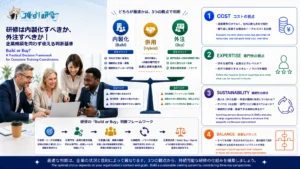
 研修は内製化すべきか、外注すべきか|企業規模を問わず使える判断基準 Build or Buy? A Practical Decision Framework for Corporate Training Coordinators
 -
生成AI×OJT|社員の「使い方」を現場で育てる育成設計の考え方 Generative AI and OJT: How to Build AI Competency Through On-the-Job Learning
-
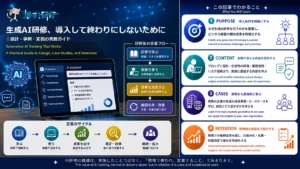
生成AI研修、導入して終わりにしないために|設計・事例・定着の実務ガイド Generative AI Training That Sticks: A Practical Guide to Design, Case Studies, and Retention
-
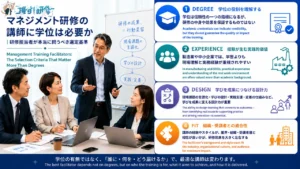
マネジメント研修の講師に学位は必要か|研修担当者が本当に問うべき選定基準 Management Training Facilitators: The Selection Criteria That Matter More Than Degrees
-
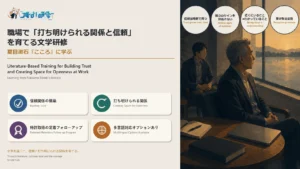
夏目漱石『こころ』に学ぶ——職場で「打ち明けられる関係と信頼」を育てる文学研修 Learning from Natsume Sōseki’s Kokoro: Literature-Based Training for Building Trust and Creating Space for Openness at Work
-
芥川龍之介『藪の中』に学ぶ——職場で「事実と解釈を見分ける力」を育てる文学研修 Learning from Akutagawa Ryūnosuke’s Yabu no Naka: Literature-Based Training for Distinguishing Facts from Interpretations at Work
-
森鷗外『最後の一句』に学ぶ——職場で「言うべきことを言える人」を育てる文学研修 Learning from Mori Ōgai’s Saigo no Ikku: A Literary Approach to Developing People Who Speak Up at Work
-
新入社員フォローアップ研修とは? What Is New Employee Follow-Up Training? Purpose, Themes, and Design for HR Professionals