研修報告書・レポートの目的と活用法 How to Make the Most of Training Reports: Purpose, Report Design, and Follow-Up
研修が終わると、多くの企業では受講者に報告書やレポートの提出を求めます。しかし、提出された報告書がその後どう扱われているかを振り返ってみると、「ファイルに綴じて保管している」「提出されていることは確認しているが、特に活用はしていない」という声が聞かれることがあります。もしそのような状況に心当たりがあるとしたら、それは研修報告書が「提出されること」を目的として運用されており、「活用されること」までが設計に含まれていないサインかもしれません。本記事では、研修を企画・実施する立場から、研修報告書・レポートの本質的な意義と、組織の成長につなげるための活用設計について、一緒に考えていきたいと思います。
When a training program concludes, many organizations ask participants to submit a training report. Yet when reflecting on what happens to those reports afterward, responses such as “we file them away” or “we check that they were submitted, but don’t really use them” are not uncommon. If that sounds familiar, it may be a sign that training reports have been designed around the act of submission — without a clear plan for how they will actually be used. This article invites those who plan and run training programs to think together about the true significance of training reports and how to design a system that connects them to real organizational growth.
目次
研修報告書の本来の価値を考える Rethinking the Value of Training Reports
研修報告書が少しずつ形骸化していく背景には、報告書が「研修の終了証明」として位置づけられてしまっているという状況があることが多いようです。受講者は「提出すれば終わり」と感じ、受け取る側も「集まれば終わり」という感覚になってしまう。そのような状況が続くと、報告書の内容は少しずつ形式的になり、本来そこに蓄積されるはずの学びや気づきが失われていきます。
Training reports often lose their meaning gradually, and behind that process is frequently a situation in which the report has come to be seen as proof of completion rather than as a record of learning. Participants come to feel that submitting is the end point; those who receive the reports settle into the feeling that collecting them is enough. When that pattern continues, the content of reports quietly becomes more formulaic, and the insights and learning that should be accumulating there begin to fade.
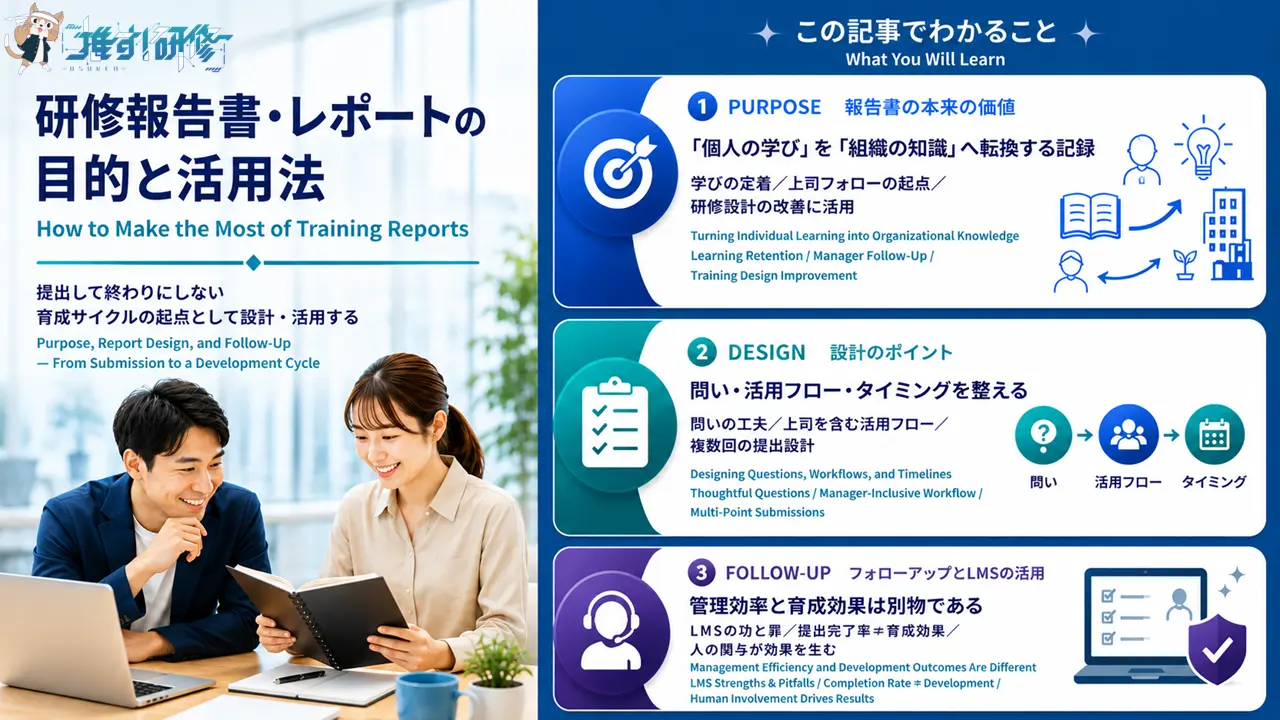
研修報告書の本来の価値は、「個人の学び」を「組織の知識」へと転換していくプロセスの記録にあると考えています。受講者が研修を通じて得た気づきや行動変容への意図が言葉として残ることで、上司はそれをもとにフォローアップができ、人事・教育担当者は次回の研修設計を見直すことができます。丁寧に設計され、大切に活用された研修報告書は、組織にとっての「人材育成の資産」になり得るものです。
The true value of a training report lies in its role as a record of the process through which individual learning is transformed into organizational knowledge. When participants put into words the insights they gained and what they intend to change in how they work, managers have a concrete foundation for follow-up, and HR and training staff have material with which to revisit the next program’s design. A training report that has been thoughtfully designed and genuinely used has the potential to become a lasting asset for the organization’s talent development.
研修報告書が果たす3つの役割 Three Roles That Training Reports Can Fulfill
① 受講者自身の学びを定着させる Helping Participants Consolidate Their Learning
研修で学んだ内容は、受講直後に整理して言語化しなければ急速に記憶から薄れていきます。報告書を記述するという行為そのものが、「何を学んだか」「それをどう活かすか」を自分自身に問いかける内省のプロセスになります。この内省を経ることで、研修の記憶は「ひとつの体験」から「知識や行動の指針」へと変わっていきます。報告書は、受講者にとっての「学びを蒸留する場」ともいえるかもしれません。
Without organizing and putting into words what was learned immediately after a training session, the content tends to fade from memory quite quickly. The act of completing a report naturally becomes a process of reflection — asking oneself “what did I take away from this?” and “how do I want to apply it?” It is this reflection that transforms the experience of training from a single event into lasting knowledge and a personal guide for action. In this sense, the report might be thought of as a place where participants distill their learning.
② 上司・管理者によるフォローアップの手がかりをつくる Creating a Starting Point for Managerial Follow-Up
研修の効果は、研修室を出た後にこそ試されます。研修後の職場での実践と、所属職場の上司によるフォローアップがあって初めて、研修は日常の業務改善へとつながっていきます。報告書は、受講者が「研修でどう感じ、職場で何を試みようとしているか」を上司が知るための最初の手がかりになります。報告書の内容をもとに上司が一言声をかけ、実践を後押しすることで、研修の効果はずいぶんと変わってくるものです。報告書は「上司と受講者をつなぐ対話のきっかけ」として機能する可能性を持っています。
The impact of training is tested after participants leave the training room. Training only finds its way into real workplace improvement when participants practice what they have learned — and when their direct manager actively follows up. The report gives managers their first window into how participants experienced the training and what they are hoping to try on the job. When a manager uses that information to offer a word of encouragement, the difference it makes to training outcomes can be significant. The report holds potential to function as a prompt for dialogue between manager and participant.
③ 研修設計の見直しに役立てる Providing Material for Improving Training Design
複数の受講者の報告書を横断的に読んでいくと、「どのプログラムが響いているか」「どこで理解が滞っているか」「職場での実践との間にどのようなギャップがあるか」が自然に見えてきます。これは次回の研修設計を考えるうえで、非常に参考になる情報です。数値化されたアンケート評価だけでは見えにくい「受講者の生の声」が、報告書の記述には宿っています。
Reading across the reports of multiple participants naturally begins to reveal which parts of the program resonated, where understanding stalled, and what gaps exist between training content and actual workplace application. This is genuinely useful information for thinking about how to design the next program. The unfiltered perspectives of participants — things that don’t always surface in numerical survey ratings — are embedded in the written content of training reports.
現場の上司が関与しにくいという現実 Why Direct Managers Are Often Left Out
研修報告書の運用においてしばしば見られるのは、研修受講者・人事部門・所属職場の上司という3者がそれぞれの立場で関わりながらも、「研修でどのような内容を学んだか」「受講者が何を感じ、どのような思いで報告書を書いたか」「職場でどう活かそうとしているか」といったことが、3者の間で十分に共有・連携されにくい状況です。人事部門は受講完了の記録として報告書を受け取り、上司は部下が研修に参加したことを知っていても、その内容や受講者の気づきに触れる機会が少ない。そして受講者本人は、報告書を提出した後に誰かから何かフォローがあるわけでもなく、研修で感じた思いや学びが誰かに届いているのかどうか、確認できないまま日常業務へと戻っていく——そのような流れが生まれやすい構造が、多くの職場に静かに存在しているようです。
A situation that frequently arises in the way training reports are handled is one in which three parties — the training participant, the HR department, and the participant’s direct manager — are each involved in their own way, yet what was covered in the training, what the participant took away from it, the feelings behind the report they wrote, and how they hoped to apply the learning in their work, are not always shared or coordinated among all three. HR receives the report as a record that the training was completed; the manager knows their team member attended, but may have few chances to learn about what was covered or what the participant noticed. And the participant themselves submits the report without necessarily receiving any follow-up from anyone afterward, returning to their day-to-day work without a clear sense of whether what they felt and learned has truly reached someone — a structure in which this kind of situation tends to emerge quietly, in many workplaces.
実際に、研修受講者からこのような声が聞かれることがあります。「研修報告書は期限通りに提出したけれど、誰からもその内容について何のフォローもなかった」。提出した側にとって、報告書へのフィードバックがないということは、「報告書を誰も読んでいないのかもしれない」「提出することに意味はなかったのかもしれない」という感覚につながりやすくなります。そのような体験が重なると、受講者は少しずつ報告書を形式的にこなすだけになり、内省の機会としての意味も薄れていきます。
Training participants sometimes share experiences like this: “I submitted my training report by the deadline, but no one ever followed up with me about what I had written.” From the participant’s perspective, receiving no response to a submitted report can easily lead to the feeling that “perhaps nobody actually read it” or “perhaps there was no real point in submitting it.” When that experience repeats itself, participants gradually begin completing reports as a formality, and the value of the report as a space for meaningful reflection quietly fades.
この状況を裏付けるデータがあります。株式会社EdWorksが実施した調査によると、研修後に学んだことの職場活用について上司と振り返りをする機会があったのはわずか22%であり、約5割の受講者はほとんど振り返る機会がなかったと回答しています。また、研修で学んだ内容を業務で活用できたと回答したのは31%にとどまり、69%が「あまり活用できなかった」と答えています(出典:株式会社EdWorks「企業研修と研修効果に関する実態調査」)。
There is data that reflects this situation. According to a survey conducted by EdWorks Co., Ltd., only 22% of participants had an opportunity to reflect with their manager on how to apply training content in the workplace, with approximately half reporting they had almost no such opportunity. Furthermore, only 31% reported being able to apply what they learned in their work, while 69% said they were largely unable to do so (Source: EdWorks Co., Ltd., “Survey on Corporate Training and Training Effectiveness”).
また、厚生労働省が毎年実施している「能力開発基本調査」(令和6年度)によると、能力開発や人材育成に何らかの問題があるとする事業所は79.9%にのぼります。その問題点の内訳として最も多いのは「指導する人材が不足している」(59.5%)であり、育成を支える現場の指導者・管理者の存在がいかに重要かつ不足しがちかを、政府の調査も示しています(出典:厚生労働省「令和6年度能力開発基本調査」)。
The Ministry of Health, Labour and Welfare’s annual “Basic Survey on Human Resource Development” (Reiwa 6 / 2024) also offers relevant insight: 79.9% of establishments reported some form of problem with human resource development or capability building. The single most common problem identified was “a shortage of people who can provide guidance and instruction” (59.5%), a finding that underscores both how important — and how often lacking — on-site managers and coaches are as a foundation for development (Source: Ministry of Health, Labour and Welfare, “Basic Survey on Human Resource Development, Reiwa 6”).
こうした状況の背景には、「研修は人事部門が管轄するもの」という組織的な慣習が根付いていることがあるかもしれません。所属職場の上司も、報告書の内容を一通り確認することはあっても、その後の面談や日常の声かけへとつなげるところまでは至りにくい——そのような場面は少なくないようです。受講者の行動変容を最も直接的に支えられるのは、日々の仕事を共にしている所属職場の上司です。しかし、報告書を「読んで終わり」にしてしまうと、研修は「日常業務から切り離されたイベント」にとどまりやすくなります。
Behind this situation, there may often be an organizational habit — one that has taken root over time — of treating training as something that belongs to the HR department. Direct managers may read through the content of the report, but find it difficult to take the next step of connecting what they have read to a follow-up conversation or a moment of coaching in day-to-day work — a pattern that seems to arise in many places. The person best placed to directly support a participant’s behavior change is the direct manager who works alongside them every day. Yet when a report is read and then set aside, training tends to remain an event that feels separate from the reality of daily work.
LMSの功罪 The Strengths and Pitfalls of LMS
近年、多くの企業でLMS(Learning Management System:学習管理システム)の導入が進んでいます。研修の受講履歴・報告書・テスト結果などを一元管理できるLMSは、人事・教育担当者の業務効率化に大きく貢献しています。一方で、LMSの導入が研修効果を自動的に高めてくれるかというと、そうとも言えない面があります。LMSには、うまく活用すれば大きな助けになる「功」の側面と、気をつけないと本来の目的から遠ざかってしまう「罪」の側面があります。
In recent years, many organizations have introduced an LMS (Learning Management System). An LMS that centralizes training attendance records, reports, and test results in one place makes a meaningful contribution to the efficiency of HR and training operations. At the same time, it would be worth pausing before assuming that introducing an LMS will automatically improve training effectiveness. LMS has a “strengths” side — which, when used well, can be a great help — and a “pitfalls” side that, if not kept in mind, can quietly pull things away from where they are meant to go.
LMSの「功」 Strengths of LMS
LMSの大きな強みは、受講状況・報告書の提出状況・テスト結果などを組織全体で一元的に把握できることです。紙やメールで管理していた時代には難しかった「誰がどの研修を受けたか」「報告書の提出率はどのくらいか」といった情報が、リアルタイムで確認できるようになります。受講者がいつでもどこでも研修コンテンツにアクセスできる環境は、学習機会を広げることにも寄与します。
One of the significant strengths of an LMS is its ability to provide a unified, organization-wide view of training attendance, report submission status, and test results. Information that was difficult to track in the era of paper and email — such as who has attended which training and what the report submission rate is — becomes available in real time. Giving participants the ability to access training content from anywhere at any time also helps to broaden learning opportunities.
LMSの「罪」 Pitfalls of LMS
一方で気をつけたいのは、「管理の効率化」と「育成の効果」を混同してしまうリスクです。LMSは「報告書が提出されたかどうか」を記録することはできますが、「報告書の内容が職場での行動変容につながったかどうか」を自動的に把握することはできません。受講完了率や報告書提出率といった数値がきれいに揃うと、担当者は「研修管理がうまくいっている」と感じやすくなります。ただ、それは管理の効率化であって、育成の効果とはまた別の話です。
One thing worth keeping in mind is the risk of confusing “efficient administration” with “effective development.” An LMS can record whether a report was submitted — but it cannot automatically tell us whether the report’s content led to any behavior change on the job. When metrics such as course completion rates and report submission rates look tidy, it can become easy to feel that “training management is going well.” But that is administrative efficiency, and development effectiveness is a somewhat separate question.
また、LMSの導入が「受講者→人事部門」という閉じた流れをさらに固定しやすくするリスクもあります。デジタルで完結する提出フローは、現場の上司が関わる余地をさらに狭めることがあります。「システムに提出した=終わり」という感覚は、紙の時代よりも強くなる場合もあるかもしれません。LMSを導入した後も、報告書を所属職場の上司と共有し、フォローアップへとつなげる仕組みは、意識的に人の手で組み込んでいく必要があります。
There is also a risk that LMS implementation can further cement the closed flow of “participant → HR department.” A fully digital submission process can narrow the space for direct manager involvement still further. The sense that “submitting to the system means it’s done” can sometimes feel even more final than it did in the paper era. Even after an LMS has been introduced, the practice of sharing reports with direct managers and connecting them to follow-up is something that needs to be consciously built in by people — it will not happen on its own.
実施側が心がけたい3つの設計 Three Design Considerations Worth Building In
報告書が少しずつ形骸化していく背景には、実施側の設計が関わっていることが少なくありません。受講者に「感想と今後の目標を記入してください」とだけ伝えていると、誰もが似たような内容の報告書になりやすいのも、ある意味自然なことかもしれません。以下の3点を設計に取り入れることで、報告書の中身は変わってきます。
Behind the gradual hollowing-out of training reports, design choices on the organizing side are often involved. If participants are simply told “please write your impressions and future goals,” it is perhaps natural that the reports they produce tend to look alike. Building the following three considerations into the design can make a real difference to what comes back.
① 問いを工夫する Designing More Thoughtful Questions
「感想を書いてください」という問いだけでは、内省はなかなか深まりません。報告書の設問を、受講者が「自分の仕事との接点」を自然に考えられる問いにしていくことが大切です。たとえば「研修で学んだ中で、明日から職場で試してみたいことを一つ挙げてください」「研修の前後で、自分の考え方や行動が少し変わりましたか?」といった問いは、受講者が自分の言葉で具体的に考えるきっかけになります。問いの質が、報告書の質をつくっていきます。
A prompt as open-ended as “please write your impressions” does not naturally encourage deep reflection. Shaping the questions so that participants are led to naturally think about the connection between what they have learned and their own work is what makes the difference. Prompts such as “name one thing from this training that you’d like to try in your workplace tomorrow” or “did anything about the way you think or act shift — even a little — between before and after this training?” give participants an opening to think concretely in their own words. The quality of the questions shapes the quality of the reports.
② 提出後の流れを設計する(上司の関与を含める) Designing the Post-Submission Flow — Including the Manager
報告書を受け取った後、誰がどのタイミングで何をするかを事前に決めておくことが大切です。なかでも大切なのは、報告書の共有先に所属職場の上司を明示的に含めることです。「人事部門だけが読んで保管する」という流れから、「上司も読んで、1週間以内に受講者に一言フィードバックする」「人事担当者が3か月後に報告書を再読し、行動変容の様子を確認する」という流れへ。具体的なアクションが設計されていることで、報告書は初めて「活用されるもの」になっていきます。報告書の価値は「提出された瞬間」ではなく「活用された瞬間」に生まれます。
Deciding in advance who will do what with a report, and when, is an important piece of the design. Perhaps the most important element is explicitly including the participant’s direct manager among those who receive and read the report. Moving from a flow in which “HR reads and files it” to one in which “the manager also reads it and gives the participant a word of feedback within a week” or “the HR coordinator re-reads the report three months later to get a sense of how things have developed” — it is having these concrete actions built in that allows a report to become something that is genuinely used. The value of a training report is not created at the moment it is submitted, but at the moment it is put to use.
③ 提出のタイミングを設計する Designing When Reports Are Submitted
研修直後だけに報告を求めるのは、設計としてはもったいないかもしれません。研修直後(気づき・意欲の記録)・1か月後(実践の試みの確認)・3か月後(定着の確認)というように、複数のタイミングで報告を求めることで、受講者の変化のプロセスを継続的に把握することができます。「研修が終わったら終わり」ではなく、「研修の後から本当の育成が始まる」という視点が、研修効果を大きく変えていきます。
Asking for a report only immediately after the training may be leaving some of the potential on the table. Building in multiple submission points — right after the training (to capture initial insights and motivation), one month later (to check on early attempts at application), and three months later (to get a sense of consolidation) — allows for an ongoing picture of each participant’s process of change. The shift in perspective from “training ends when the session does” to “real development begins after the training” has a meaningful effect on the outcomes that training produces.
報告書をフォローアップへとつなぐ Connecting Reports to Follow-Up
研修報告書を活用するうえで最も大切にしたいのは、報告書の内容をフォローアップ面談や日常的な業務の中での声かけへとつなぐことです。報告書に「接客時のクレーム対応で活かしてみたい」と書かれていれば、上司はその後の仕事の中でその場面を意識して見守り、タイミングよく声をかけることができます。こうした流れが生まれることで、研修は「受けっぱなし」ではなく「仕事に根づく体験」へと変わっていきます。
Perhaps the most important thing to keep in mind when putting training reports to use is connecting their content to follow-up conversations and the natural moments of coaching that arise in daily work. If a report mentions “I’d like to try applying this to how I handle customer complaints,” the manager can observe that situation with quiet attention and offer a word of support when the moment arises. When that kind of flow takes shape, training becomes not something attended and left behind, but an experience that gradually takes root in the way work is actually done.
フォローアップを継続的に行うためには、担当者の記憶や感覚だけに頼らない仕組みがあると心強いです。LMSを活用する場合も、「提出完了の記録」にとどまらず、受講者の達成状況やスコアに応じてフォローアップのタイミングと中身を変えていく仕組みを意識的に組み合わせることで、デジタルツールを人材育成の本来の目的に活かすことができます。
For follow-up to continue in a sustainable way, having a structure that does not depend solely on individual memory and instinct can make things considerably easier. Even when using an LMS, deliberately combining it with a mechanism that adjusts the timing and content of follow-up based on each participant’s progress and performance is what allows digital tools to serve the true purpose of development.
報告書の活用が研修投資の意味を決める How Report Utilization Shapes the Value of Training Investment
研修にはコストがかかります。講師費・会場費・受講者の時間・教材費など、一回の研修にかかる投資は決して小さくありません。その投資の意味を最大限に引き出すうえで、研修報告書の設計と活用は、追加のコストをほとんどかけずに取り組める、コストを大きく増やさずに取り組みやすい手段の一つかもしれません。報告書をうまく活用することで、研修の定着率を高め、フォローアップの質を上げ、次回の設計を改善するサイクルを回すことができます。このサイクルが機能することが、研修の費用対効果を継続的に高めていく、現実的な道筋になると考えています。
Training involves real costs — facilitator fees, venue costs, participants’ time, materials. The investment that goes into a single training program is far from trivial. In drawing the most meaning from that investment, the design and active use of training reports may be one of the most accessible approaches available — requiring little in the way of additional cost to put in place. Making good use of reports creates the conditions for a cycle in which training retention improves, follow-up quality rises, and the design of the next program gets a little better. Getting that cycle turning is, we believe, one of the most realistic paths to continuously improving the return on training investment.
おわりに:研修報告書は「育成サイクルの起点」になれる Closing: Training Reports as a Starting Point for a Development Cycle
研修報告書・レポートは、書き方を学ぶものでも、テンプレートを埋めるものでもありません。丁寧に設計され、大切に活用された研修報告書は、受講者の学びを定着させ、所属職場の上司によるフォローアップを促し、次の研修設計をより良くしていく「育成サイクルの起点」になれるのではないでしょうか。
Training reports are not about learning how to write, or filling in a template. Could a training report that has been thoughtfully designed and genuinely used become the starting point of a development cycle — one that helps participants consolidate their learning, invites their direct manager into the follow-up process, and contributes to making the next training program a little better?
LMSの導入は管理の効率化に役立ちますが、育成の効果を生み出すのはシステムではなく人の関与です。問いを工夫し、上司の関与を含む活用の流れを設計し、複数のタイミングで報告を求める。この3つが揃ったとき、研修報告書は組織の人材育成における「資産」として動き始めます。研修の効果にもう少し手応えを感じたいとお考えのご担当者の方がいらっしゃれば、まず報告書の設計と活用フローを見直すところから始めてみるのも、一つの選択肢かもしれません。
Introducing an LMS contributes to administrative efficiency — but it is human involvement, not the system, that generates developmental impact. When the questions are crafted with care, a flow that includes the direct manager is built into the process, and participants are invited to reflect at multiple points in time, the training report begins to function as a genuine asset for the organization’s talent development. For those who are looking to feel a little more of the impact of their training investment, revisiting the design of reports and the flow for using them might be one place worth starting.
オスケン株式会社では、研修後のフォローアップを体系的に支援する独自のプログラム(特許第7578861号)を提供しています。研修の効果をさらに高めたい企業のご担当者様は、ぜひお問い合わせください。
Osuken Inc. offers a proprietary program (Patent No. 7578861) designed to provide systematic support for post-training follow-up. If you are a corporate training coordinator looking to maximize the impact of your programs, we welcome your inquiry.
- ITパスポート試験|サービスマネジメントの基礎知識 IT Passport Exam | Service Management: Fundamentals and Key Concepts
- 新入社員フォローアップ研修とは? What Is New Employee Follow-Up Training? Purpose, Themes, and Design for HR Professionals
この記事を書いた人

関連記事
-
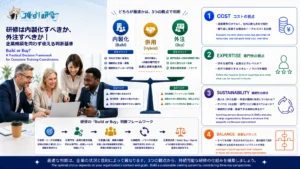
 研修は内製化すべきか、外注すべきか|企業規模を問わず使える判断基準 Build or Buy? A Practical Decision Framework for Corporate Training Coordinators
 -
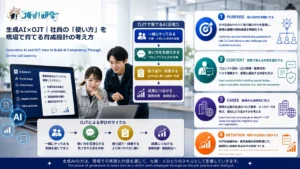
生成AI×OJT|社員の「使い方」を現場で育てる育成設計の考え方 Generative AI and OJT: How to Build AI Competency Through On-the-Job Learning
-
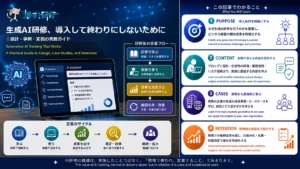
生成AI研修、導入して終わりにしないために|設計・事例・定着の実務ガイド Generative AI Training That Sticks: A Practical Guide to Design, Case Studies, and Retention
-
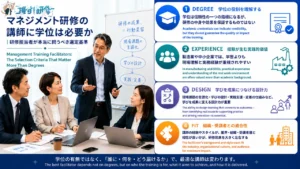
マネジメント研修の講師に学位は必要か|研修担当者が本当に問うべき選定基準 Management Training Facilitators: The Selection Criteria That Matter More Than Degrees
-
夏目漱石『こころ』に学ぶ——職場で「打ち明けられる関係と信頼」を育てる文学研修 Learning from Natsume Sōseki’s Kokoro: Literature-Based Training for Building Trust and Creating Space for Openness at Work
-
芥川龍之介『藪の中』に学ぶ——職場で「事実と解釈を見分ける力」を育てる文学研修 Learning from Akutagawa Ryūnosuke’s Yabu no Naka: Literature-Based Training for Distinguishing Facts from Interpretations at Work
-
森鷗外『最後の一句』に学ぶ——職場で「言うべきことを言える人」を育てる文学研修 Learning from Mori Ōgai’s Saigo no Ikku: A Literary Approach to Developing People Who Speak Up at Work
-
新入社員フォローアップ研修とは? What Is New Employee Follow-Up Training? Purpose, Themes, and Design for HR Professionals