危険物乙4の難易度は?合格率・勉強時間・他の資格との比較で徹底解説 How Difficult Is the Class B, Group 4 Hazardous Materials Engineer Exam? Pass Rates, Study Time, and Comparison with Other Certifications
乙種第4類危険物取扱者(危険物乙4)の資格取得を目指しているけれど、「難易度はどのくらいなのか」「自分でも合格できるのか」と不安を感じていませんか。
Are you aiming to earn the Class B, Group 4 Hazardous Materials Engineer certification but feeling uncertain about how difficult it really is — or whether you can actually pass?
この記事では、危険物乙4の合格率データ、必要な勉強時間、他の資格との比較を通じて、試験の難易度を客観的に解説します。また、難易度を感じる要因と効果的な対策方法もお伝えしますので、合格への道筋が明確になります。
This article provides an objective breakdown of the exam’s difficulty level through pass rate data, estimated study hours, and comparisons with other qualifications. It also explains the factors that make the exam feel challenging and offers effective strategies to address them — so you can map out a clear path to passing.
目次
危険物乙4の合格率は30〜40%|他の乙種より難しい理由 Class B, Group 4 Pass Rate: 30–40% | Why It Is Harder Than Other Class B Categories
危険物乙4の難易度を知るうえで、最も参考になるのが合格率です。数字で見ると、この資格の特徴がよく分かります。
The most informative indicator of the exam’s difficulty is its pass rate. Looking at the numbers reveals a great deal about the nature of this qualification.
最新の合格率データと推移 Latest Pass Rate Data and Trends
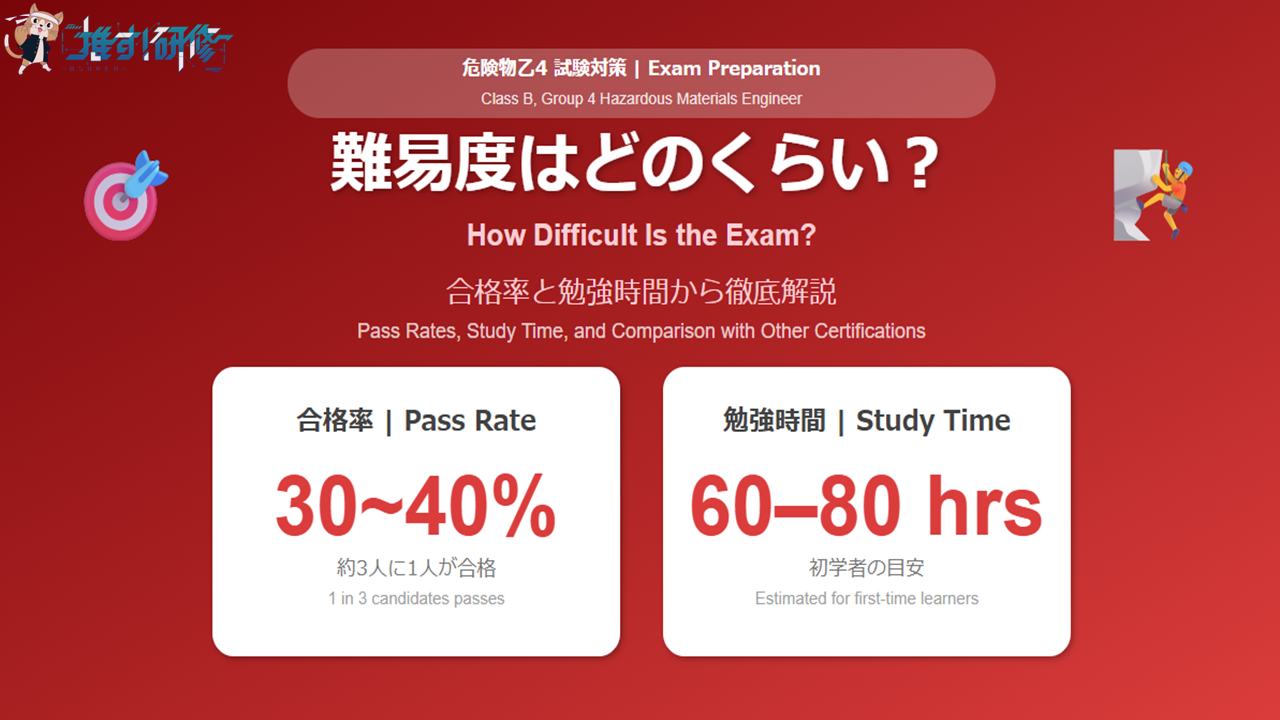
危険物乙4の合格率は、例年30〜40%程度で推移しています。消防試験研究センターの公表データによると、受験者の約3人に1人が合格する計算です。
The pass rate for the Class B, Group 4 Hazardous Materials Engineer exam has consistently hovered around 30–40% year after year. According to data published by the Fire and Disaster Management Agency examination center, approximately one in three candidates passes.
この数字だけを見ると「意外と難しい」と感じるかもしれません。国家資格の中では中程度の難易度ですが、油断すると不合格になる可能性は十分にあります。
Looking at this figure alone, you might think “that’s surprisingly hard.” Among national qualifications, it sits at a moderate level of difficulty — but complacency is a real risk, and there is every chance of failing without adequate preparation.
他の乙種(乙1〜乙6)との合格率比較 Pass Rate Comparison with Other Class B Categories (Groups 1–6)
危険物取扱者には乙1〜乙6まで6つの類がありますが、実は乙4だけが合格率が低いのです。他の乙種(乙1、乙2、乙3、乙5、乙6)の合格率は60〜70%程度。つまり、乙4は他の乙種の約半分しか合格できていません。
The Class B Hazardous Materials Engineer certification covers six groups (Groups 1 through 6), but Group 4 stands out as the only one with a notably low pass rate. The other groups (1, 2, 3, 5, and 6) see pass rates of around 60–70%, meaning Group 4 passes roughly half as many candidates as the others.
この差が生まれる理由は、受験者数の多さと試験範囲の広さにあります。
The reason for this gap comes down to the sheer size of the candidate pool and the breadth of the exam syllabus.
なぜ乙4だけ合格率が低いのか Why Does Group 4 Have Such a Low Pass Rate?
乙4の合格率が低い理由は、主に以下の3つです。
There are three main reasons why Group 4 has a lower pass rate.
1つ目は、受験者層の幅広さ。乙4は製造業・物流業・ガソリンスタンドなど幅広い業種で必要とされるため、化学知識がほとんどない方も多数受験します。一方、他の乙種は専門性が高く、ある程度の知識を持った方が受験する傾向にあります。
The first is the diversity of the candidate pool. Because the Group 4 certification is required across a wide range of industries — including manufacturing, logistics, and gas stations — a significant number of candidates sit the exam with little to no background in chemistry. Other groups, by contrast, tend to attract candidates who already possess a certain level of specialist knowledge.
2つ目は、試験範囲の広さ。第4類危険物は品名が7つあり、それぞれの引火点・発火点・性質・消火方法を細かく覚える必要があるため、学習量が多くなります。
The second is the breadth of the syllabus. Group 4 hazardous materials are divided into seven categories, each requiring candidates to memorize detailed information — including flash points, ignition points, properties, and extinguishing methods — resulting in a significantly larger volume of material to learn.
3つ目は、受験者のモチベーション。会社から「とりあえず受けておけ」と言われて受験する方も一定数おり、十分な準備ができていないケースが見られます。
The third is candidate motivation. A certain proportion of candidates sit the exam simply because their employer told them to, without having had sufficient time or motivation to prepare adequately.
試験科目別の難易度|法令・物理化学・性質消火が合否を分ける Difficulty by Exam Subject | Fire Service Act, Physical Chemistry, and Properties & Fire Extinguishing
危険物乙4の試験は、3つの科目に分かれています。それぞれの難易度と特徴を理解しておくと、効率的な学習計画が立てられます。
The exam is divided into three subjects. Understanding the difficulty level and characteristics of each will help you build an efficient study plan.
法令:暗記が中心だが範囲が広い Fire Service Act: Memorization-Heavy but Wide in Scope
法令科目は、消防法や政令・規則などのルールを問う科目です。出題数は15問で、9問以上の正解で合格となります。
The Fire Service Act subject tests knowledge of rules under the Fire Services Act, government ordinances, and related regulations. It comprises 15 questions, and a score of 9 or more is required to pass.
この科目の特徴は、ほぼ100%暗記で対応できる点。複雑な計算問題は出ませんので、数学が苦手な方でも比較的得点しやすい科目です。
The defining characteristic of this subject is that it can be handled almost entirely through memorization. No complex calculation questions appear, making it a relatively accessible subject even for those who struggle with mathematics.
ただし、覚える内容は多岐にわたります。製造所等の区分、指定数量、消火設備、定期点検など、細かい数字や規定を正確に覚える必要があります。問題演習を繰り返して、出題パターンに慣れることが重要です。
However, the range of material to be memorized is extensive. Precise figures and provisions covering categories of storage facilities, designated quantities, fire extinguishing equipment, and periodic inspections must all be committed to memory. Repeated practice with exam questions is essential for becoming familiar with the types of questions asked.
物理化学:計算問題が苦手な人には難関 Physical Chemistry: A Challenge for Those Uncomfortable with Calculations
物理化学は、燃焼の仕組みや物質の性質を問う科目です。出題数は10問で、6問以上の正解が必要です。
Physical Chemistry tests knowledge of combustion mechanisms and the properties of substances. It comprises 10 questions, and a score of 6 or more is required.
この科目が難しいと感じる最大の理由は、計算問題が含まれる点。熱量計算、モル計算などが出題されます。文系の方や数学から長く離れている方にとっては、ここが最大の壁になります。
The primary reason this subject feels difficult is the inclusion of calculation questions, covering areas such as heat quantity calculations and mole calculations. For candidates from non-science backgrounds or those who have been away from mathematics for a long time, this is often the most formidable hurdle.
ただし、出題される公式は限られています。頻出の公式を覚えて、過去問で練習すれば、十分に対応可能です。
That said, the formulas that appear in the exam are limited in number. Memorizing the frequently tested formulas and practicing with past exam questions is sufficient to handle this subject.
性質および消火:第4類の理解が鍵 Properties and Fire Extinguishing: Understanding Group 4 Is Key
性質および消火は、第4類危険物の性質と消火方法を問う科目です。出題数は10問で、6問以上の正解で合格となります。
Properties and Fire Extinguishing tests knowledge of the properties of Group 4 hazardous materials and their extinguishing methods. It comprises 10 questions, and a score of 6 or more is required to pass.
この科目は、第4類の7つの品名(特殊引火物、第1石油類、アルコール類、第2石油類、第3石油類、第4石油類、動植物油類)それぞれの特徴を理解しているかが問われます。
This subject tests whether candidates understand the characteristics of each of the seven categories within Group 4 hazardous materials: special flammable substances, Category 1 petroleum products, alcohols, Category 2 petroleum products, Category 3 petroleum products, Category 4 petroleum products, and animal and vegetable oils.
引火点、発火点、比重、水溶性・非水溶性の違いなど、覚える項目は多いですが、表にまとめて整理すれば理解しやすくなります。実務で危険物を扱っている方は、イメージしやすい科目です。
There is a substantial amount to memorize — flash points, ignition points, specific gravity, and the distinction between water-soluble and non-water-soluble substances — but organizing this information into a table makes it considerably easier to absorb. For those who work with hazardous materials in their day-to-day roles, this subject tends to be more intuitive.
合格に必要な勉強時間は?初学者は60〜80時間が目安 How Many Study Hours Are Needed? First-Time Learners Should Plan for 60–80 Hours
「どのくらい勉強すれば合格できるのか」は、多くの受験者が気になるポイントです。目安となる勉強時間をお伝えします。
“How much do I need to study to pass?” is one of the most common questions among candidates. Here are the estimated study hours to use as a guide.
理系・文系による勉強時間の違い Differences in Study Time Between Science and Non-Science Backgrounds
化学の基礎知識がある理系の方であれば、40〜60時間程度の勉強で合格可能です。物理化学の内容が理解しやすく、計算問題にも対応しやすいためです。
Candidates with a science background and foundational knowledge of chemistry can generally pass with around 40–60 hours of study. The Physical Chemistry content is easier to grasp, and calculation questions present less of a barrier.
一方、文系の方や化学から長く離れている方は、60〜80時間程度が目安となります。物理化学の基礎から学び直す時間が必要になるためです。
For candidates from non-science backgrounds or those who have been away from chemistry for a long time, the benchmark is around 60–80 hours. Additional time is needed to relearn the fundamentals of Physical Chemistry from the ground up.
ただし、これはあくまで目安。効率的な学習方法を実践すれば、文系の方でも50時間程度で合格している事例もあります。
These are guidelines only. With efficient study methods, there are cases of non-science candidates passing in as little as 50 hours.
実務経験の有無で変わる難易度 How On-the-Job Experience Changes the Difficulty
製造業やガソリンスタンドなど、実務で危険物を扱っている方は、学習時間を短縮できます。ガソリン、灯油、軽油といった物質の性質を体感的に理解しているため、性質消火の科目で有利です。
Candidates who work with hazardous materials in practice — such as in manufacturing or at gas stations — can significantly reduce their study time. Having an intuitive, hands-on understanding of substances like gasoline, kerosene, and diesel gives them a natural advantage in the Properties and Fire Extinguishing subject.
実務経験者であれば、30〜40時間程度の学習でも合格できるケースが多く見られます。
For experienced practitioners, passing with as little as 30–40 hours of study is a common outcome.
短期合格者の勉強時間の実例 Real Examples of Study Hours from Short-Term Passers
1か月で合格した方の多くは、1日2〜3時間の学習を継続しています。トータルで60時間程度の勉強時間を確保した計算です。
The majority of candidates who pass within one month study consistently for 2–3 hours per day, amounting to roughly 60 hours in total.
2週間での短期合格を目指す場合は、1日4〜5時間の集中学習が必要となります。ただし、理解が浅いまま暗記だけで進めると、応用問題に対応できず不合格になるリスクもあります。
For those aiming to pass in just two weeks, intensive study of 4–5 hours per day is required. However, relying on rote memorization without genuine understanding carries the risk of being unable to handle application-style questions — and failing as a result.
他の資格との難易度比較|乙4はどのくらい難しい? Difficulty Compared to Other Qualifications | Where Does Group 4 Sit?
危険物乙4の難易度を、他の人気資格と比較してみましょう。自分の経験と照らし合わせると、イメージしやすくなります。
Let us compare the difficulty of the Group 4 exam against other popular qualifications. Relating it to your own experience will help you visualize where it sits.
日商簿記3級・FP3級との比較 Comparison with Nissho Bookkeeping Level 3 and FP Level 3
日商簿記3級やFP(ファイナンシャルプランナー)3級と比べると、危険物乙4は化学の知識が求められる点でやや難しいと感じる方が多いようです。
Compared to Nissho Bookkeeping Level 3 and FP (Financial Planner) Level 3, many candidates find the Group 4 exam somewhat more challenging due to its requirement for chemistry knowledge.
日商簿記3級の合格率は30〜50%程度(平均40%前後)で、危険物乙4と同程度です。一方、FP3級の合格率は40〜80%程度(実施団体により異なる)で、危険物乙4より高めです。
Nissho Bookkeeping Level 3 has a pass rate of around 30–50% (approximately 40% on average), placing it on a par with Group 4. FP Level 3, on the other hand, sees pass rates of approximately 40–80% depending on the administering body — generally higher than Group 4.
宅建・電験三種との比較 Comparison with the Real Estate Agent License and Third-Class Electrical Engineer Exam
宅地建物取引士(宅建)の合格率は15〜19%程度、電験三種(第三種電気主任技術者)は10〜13%程度です。これらの資格と比べると、危険物乙4は合格率30〜40%ですから、かなり取得しやすい部類に入ります。
The Real Estate Agent License (Takken) has a pass rate of approximately 15–19%, and the Third-Class Electrical Engineer exam sits at around 10–13%. Compared to these, the Group 4 pass rate of 30–40% places it in a considerably more accessible category.
宅建・電験三種は数か月〜半年以上の学習期間が必要ですが、危険物乙4は1〜3か月程度の学習で合格を狙えます。
While the Real Estate License and Third-Class Electrical Engineer exam typically require several months to over half a year of preparation, the Group 4 exam can realistically be targeted with 1–3 months of study.
同じ製造業系資格(QC3など)との比較 Comparison with Manufacturing-Sector Qualifications such as QC3
製造業でよく取得されるQC3の合格率は50〜60%程度で、危険物乙4より高めです。QC3は統計の基礎知識が中心で、化学の知識は不要なため、文系の方でも取り組みやすい特徴があります。
QC3, a qualification commonly pursued in the manufacturing sector, has a pass rate of around 50–60% — higher than Group 4. Because QC3 centers on foundational statistical knowledge and requires no chemistry background, it tends to be more approachable for candidates from non-science backgrounds.
ただし、どちらも製造業で働くうえで役立つ資格ですので、両方取得しておくとキャリアアップに有利です。
That said, both are valuable qualifications for those working in manufacturing, and holding both gives a meaningful advantage for career advancement.
難易度を上げる3つの要因と対策 3 Factors That Make the Exam Feel Harder — and How to Address Them
危険物乙4が難しいと感じる理由は、主に3つに集約されます。それぞれの対策方法も合わせてお伝えします。
The reasons candidates find the Group 4 exam challenging can be distilled into three main factors. Effective strategies for each are provided below.
①専門用語の多さ|引火点・燃焼範囲などの理解 Factor 1: Volume of Specialist Terminology | Understanding Flash Points, Flammability Ranges, and More
引火点、発火点、燃焼範囲、蒸気圧といった専門用語が多く登場します。これらの用語を正確に理解していないと、問題文の意味が分からず、正解できません。
The exam is filled with specialist terminology — flash point, ignition point, flammability range, vapor pressure, and more. Without a precise understanding of these terms, it becomes impossible to grasp what the question is asking and answer correctly.
対策としては、用語集を作成して、意味を自分の言葉で説明できるようにすることです。単に暗記するのではなく、「引火点とは、その物質が火をつけると燃え始める最低温度」といった形で理解しましょう。
The recommended strategy is to build a personal glossary and train yourself to explain each term in your own words. Rather than simply memorizing, aim for genuine understanding — for example, “flash point is the lowest temperature at which a substance produces enough vapor to ignite when exposed to a flame.”
②計算問題への苦手意識|公式の暗記と演習が必須 Factor 2: Anxiety About Calculation Questions | Memorizing Formulas and Practicing Is Essential
計算問題が出ると聞いただけで、苦手意識を持つ方は少なくありません。しかし、実際に出題される公式は限られています。
Many candidates feel a sense of dread the moment they hear that calculation questions are included. In practice, however, the formulas that actually appear in the exam are limited in number.
熱量計算(Q=mc⊿T)、モル計算など、頻出の公式を5〜6個覚えて、演習問題で繰り返し練習すれば対応できます。公式を丸暗記するのではなく、何を求める式なのかを理解することが大切です。
Memorizing the 5–6 most frequently tested formulas — such as the heat quantity formula (Q = mcΔT) and mole calculations — and practicing them repeatedly through exercise questions is sufficient. Rather than memorizing formulas by rote, focus on understanding what each formula is solving for.
③試験範囲の広さ|効率的な学習計画が重要 Factor 3: The Breadth of the Syllabus | An Efficient Study Plan Is Essential
法令・物理化学・性質および消火の3科目にわたり、覚える内容は膨大です。すべてを完璧に理解しようとすると、時間がいくらあっても足りません。
Spanning three subjects — Fire Service Act, Physical Chemistry, and Properties and Fire Extinguishing — the volume of material is substantial. Attempting to master every detail perfectly would consume far more time than most candidates have available.
対策は、頻出分野に絞って学習することです。演習問題を繰り返し解いていると、出題される項目が見えてきます。指定数量、消火設備、引火点の範囲などは必ず押さえておきましょう。
The strategy is to concentrate your study on the most frequently tested areas. Working through practice questions repeatedly will reveal which topics come up consistently. Designated quantities, fire extinguishing equipment, and flash point ranges are topics that must be covered without exception.
難易度を下げる合格戦略|押さえるべきポイント Strategies to Make Passing More Achievable | Key Points to Keep in Mind
難易度が高いと感じる危険物乙4ですが、正しい戦略で学習すれば、合格率を大幅に上げられます。
While the Group 4 exam may feel daunting, studying with the right strategy can dramatically improve your chances of passing.
問題演習を中心に学習する Center Your Study Around Practice Questions
最も効率的な学習方法は、問題を繰り返し解くことです。危険物乙4の試験は、似た問題が多く出題される傾向にあります。
The most efficient study method is to work through questions repeatedly. The Group 4 exam tends to include many questions that closely resemble those from previous sittings.
各出版社から発行されている任意の合格対策テキストを一冊、一通り読んだら、すぐに問題演習に取り組みましょう。間違えた問題はテキストに戻って確認し、再度解き直す。このサイクルを繰り返すことで、確実に実力がつきます。
Once you have read through any standard exam preparation textbook from cover to cover, move straight into practice questions. For every question you get wrong, return to the textbook to review the relevant material, then attempt the question again. Repeating this cycle consistently is what builds genuine competence.
頻出分野に絞って効率化 Focus on High-Frequency Topics for Greater Efficiency
すべての分野を同じ時間をかけて学習する必要はありません。法令なら指定数量と消火設備、物理化学なら燃焼の条件と熱量計算、性質および消火なら第1石油類と第2石油類の性質が頻出です。
There is no need to devote equal time to every topic. In Fire Service Act, designated quantities and fire extinguishing equipment appear most frequently. In Physical Chemistry, combustion conditions and heat quantity calculations are the key areas. In Properties and Fire Extinguishing, the properties of Category 1 and Category 2 petroleum products are among the most commonly tested.
これらの頻出分野を重点的に学習し、それ以外は問題を解きながらポイントを押さえる程度にとどめれば、学習時間を大幅に短縮できます。
By studying the high-frequency areas intensively and covering the rest through practice questions at a lighter pace, you can significantly reduce the total study time required.
苦手科目を早めに克服する Tackle Your Weakest Subject Early
3科目すべてで基準点(法令9問、物理化学6問、性質および消火6問)をクリアしなければ合格できません。1科目でも基準点に届かなければ、他の科目で満点を取っても不合格です。
Passing requires meeting the minimum score in all three subjects — 9 out of 15 in Fire Service Act, and 6 out of 10 in each of Physical Chemistry and Properties and Fire Extinguishing. Falling short in even one subject means failing overall, regardless of how well you perform in the others.
物理化学が苦手なら、早い段階で集中的に取り組みましょう。計算問題は慣れれば解けるようになります。最初から諦めず、基礎から丁寧に学習することが重要です。
If Physical Chemistry is your weak point, tackle it head-on as early as possible. Calculation questions do become manageable with practice. The key is not to give up from the start, but to work through the fundamentals carefully and methodically.
外国人労働者にとっての難易度|日本語の壁をどう乗り越えるか Difficulty for Foreign Workers | How to Overcome the Language Barrier
製造業や物流業で働く外国人労働者の方にとって、危険物乙4の取得は大きなキャリアアップにつながります。しかし、試験が日本語のみで実施されるため、言語の壁が最大の難関となります。
For foreign workers in manufacturing and logistics, earning the Class B, Group 4 Hazardous Materials Engineer certification represents a significant step forward in their careers. However, because the exam is conducted entirely in Japanese, the language barrier is the single greatest challenge.
試験は日本語のみ|専門用語が最大の難関 The Exam Is Japanese-Only | Specialist Terminology Is the Biggest Hurdle
危険物取扱者試験は、問題文も選択肢もすべて日本語です。日本語能力試験N3〜N2レベルの読解力が求められるうえ、「引火点」「自然発火」「禁水性物質」といった専門用語も理解しなければなりません。
Both the questions and answer choices in the Hazardous Materials Engineer exam are entirely in Japanese. Candidates need reading comprehension at approximately JLPT N3–N2 level, and must also understand specialist terminology such as 引火点 (flash point), 自然発火 (spontaneous ignition), and 禁水性物質 (water-reactive substances).
日常会話はできても、専門用語の意味が分からず不合格になるケースが少なくありません。
It is not uncommon for candidates who are conversationally fluent in Japanese to fail simply because they do not understand the specialist terminology.
母語での理解→日本語での受験という二段階学習 A Two-Stage Learning Approach: Understand in Your Native Language, Then Sit the Exam in Japanese
効果的な学習方法は、まず母語で概念を理解し、その後で日本語の専門用語と結びつける二段階アプローチです。
The most effective approach is a two-stage method: first build a thorough conceptual understanding in your native language, then connect that understanding to the Japanese specialist terminology.
たとえば、ベトナム語で「引火点とは何か」を理解してから、日本語の「引火点」という単語を覚える。この方法なら、日本語で書かれた問題文を見ても、内容を正しく理解できます。
For example, first understand what a flash point is in Vietnamese, then memorize the Japanese term 引火点. With this approach, when you encounter a question written in Japanese, you will be able to correctly understand what it is asking.
多言語対応教材による支援 Support Through Multilingual Study Materials
オスケン株式会社では、英語・ベトナム語・ネパール語・ミャンマー語・インドネシア語・ポルトガル語をはじめ、多言語に対応した危険物乙4の学習教材を提供しています。
Osuken Inc. provides Class B, Group 4 Hazardous Materials Engineer study materials in multiple languages, including English, Vietnamese, Nepali, Burmese, Indonesian, and Portuguese.
専門用語を母語でしっかり理解しながら、日本語での表現も同時に学べる仕組みを提供します。AIツールを活用し、分かりやすく解説していますので、日本語に不安がある方でも安心して学習を進められます。
Our materials are designed so that learners can build a solid understanding of specialist terminology in their native language while simultaneously learning the Japanese expressions. Powered by AI tools and written for clarity, they allow learners who are not yet confident in Japanese to study with peace of mind.
まとめ:難易度は比較的高めだが、正しい対策で合格可能 Summary: Difficulty Is Relatively High, but Passing Is Achievable with the Right Approach
危険物乙4の難易度について、合格率・勉強時間・他資格との比較を通じて解説しました。
This article has examined the difficulty of the Class B, Group 4 Hazardous Materials Engineer exam through the lens of pass rates, study hours, and comparisons with other qualifications.
合格率30〜40%という数字だけを見るとやや難しく感じますが、正しい学習方法を実践すれば、初学者でも十分に合格を狙えます。問題演習中心の学習、頻出分野への集中、苦手科目の早期克服が合格への近道です。
A pass rate of 30–40% may sound daunting at first glance, but with the right study approach, even first-time learners have every reason to aim for a pass. The most direct path to success lies in practice-question-centered study, concentrated focus on high-frequency topics, and early action on weaker subjects.
外国人労働者の方は、母語での理解を優先し、専門用語を着実に覚えていく二段階学習が効果的です。弊社の多言語教材も、ぜひご活用ください。
For foreign workers, the two-stage learning approach — prioritizing conceptual understanding in your native language and then systematically building your Japanese specialist vocabulary — is the most effective path. We warmly invite you to make use of our multilingual study materials.
この記事が、あなたの危険物乙4合格への第一歩となれば幸いです。
We hope this article serves as the first step on your journey to passing the Class B, Group 4 Hazardous Materials Engineer exam.
- 危険物乙4|製造所・貯蔵所・取扱所の区分と覚え方|試験頻出ポイントを解説
- QC3の難易度は?合格率・勉強時間・他の資格との比較で徹底解説 How Difficult Is the QC3 Exam? Pass Rates, Study Time, and Comparison with Other Certifications
この記事を書いた人

関連記事
-
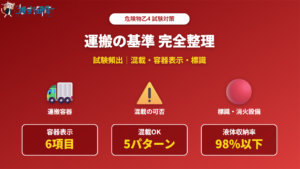
 危険物乙4「運搬の基準」完全まとめ|試験頻出ポイントを徹底解説
 -
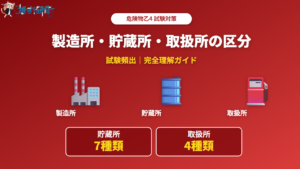
危険物乙4|製造所・貯蔵所・取扱所の区分と覚え方|試験頻出ポイントを解説
-
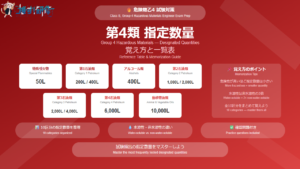
危険物乙4|指定数量の覚え方と一覧表 Class B, Group 4 Hazardous Materials Engineer | Designated Quantities: Reference Table & Memorization Guide
-
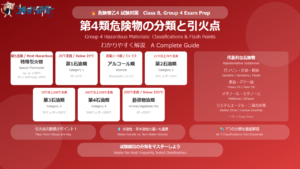
第4類危険物の分類と引火点をわかりやすく解説 Class B, Group 4 Hazardous Materials Engineer | Classifications and Flash Points: A Complete Guide
-
危険物乙4で覚えるべき「類別」とは?第1類〜第6類の特徴をわかりやすく解説